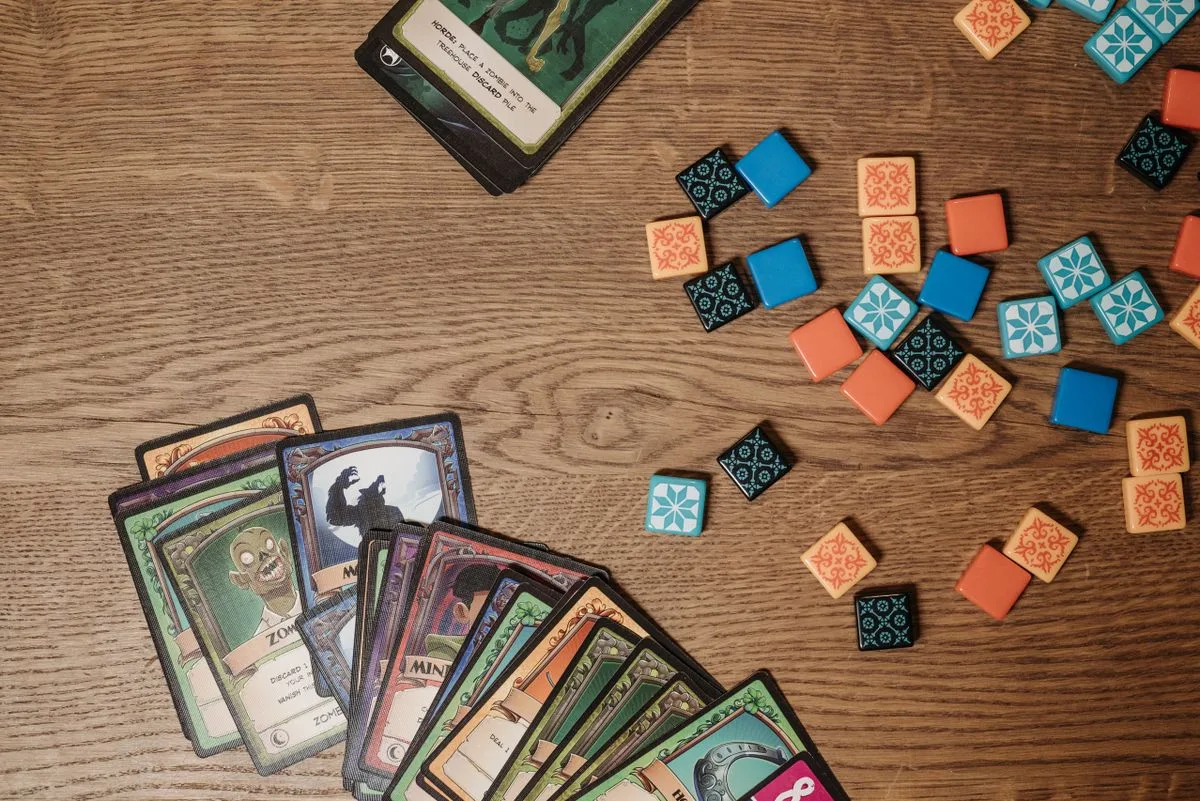
A games shelf is useful when somebody can choose a game and get it ready without first hunting for instructions or missing pieces. Start with the games your household actually plays, rather than trying to display every box you own.
Use part of an existing shelf or cupboard. Keep the collection within the space available so returning a box does not require balancing it on top of several others.
Check one game at a time
Open each box and compare the contents with its instructions. Keep missing-piece questions separate from games that are ready to play.
If a game needs repair or a replacement part, give it a temporary home away from the active shelf. Write the next action clearly and decide whether the game is worth restoring.
Avoid mixing spare pieces from unrelated games into one general tub. It may save space briefly but creates a search before every session.
Choose a small, usable variety
Include games suited to the people likely to play: a short matching game, a cooperative activity or something older children enjoy. Follow age guidance and keep small parts away from younger children who might mouth them.
Let children name games they want to keep accessible. A box adults admire but nobody chooses can move out of the prime space.
For siblings of different ages, make the choices clear. Not every game needs to work for everybody, provided each child has an option they can use with suitable support.
Arrange boxes for lifting and returning
Put heavier boxes low and store games securely. Do not stack them so high that a child pulls several down together.
Choose vertical or horizontal storage according to the contents. Some boxes spill loose cards when stood on their side, so test the arrangement before relying on it.
Keep instructions in their own boxes. A small bag inside can hold loose pieces, but an adult should manage unsuitable packaging and small closures around younger children.
Provide a place for interrupted games
A tray may hold a short unfinished game if there is somewhere suitable to store it. Otherwise, agree a point where you can record the position or simply start again later.
Check the game's needs before promising it can stay out all evening. A table required for dinner is not a reliable overnight playing surface.
Children can help return pieces after play. Give clear jobs such as counting the counters or gathering cards rather than asking everybody to tidy everything simultaneously.
Review the shelf when choices change
Notice boxes that repeatedly remain untouched or games that now feel too simple. Ask whether they should move to longer-term storage or be passed on where appropriate.
Keep expansion proportionate. A new game may replace a less-used one rather than requiring another shelf.
Finish the reset by choosing one game and checking it can come out comfortably. The shelf is ready when the next player can begin with confidence that the necessary pieces are together.
Make it work for your family. Keep the useful bits and change the rest.