Children's artwork arrives in different forms: a quick drawing, a large painted sheet, a model with loose parts and a carefully labelled school project. Keeping every piece together in a growing pile makes it hard to enjoy any of them.
Sort one small batch at a time. The useful question is which work the child wants to return to, rather than which pictures look most impressive to an adult.
Give new work a temporary landing place
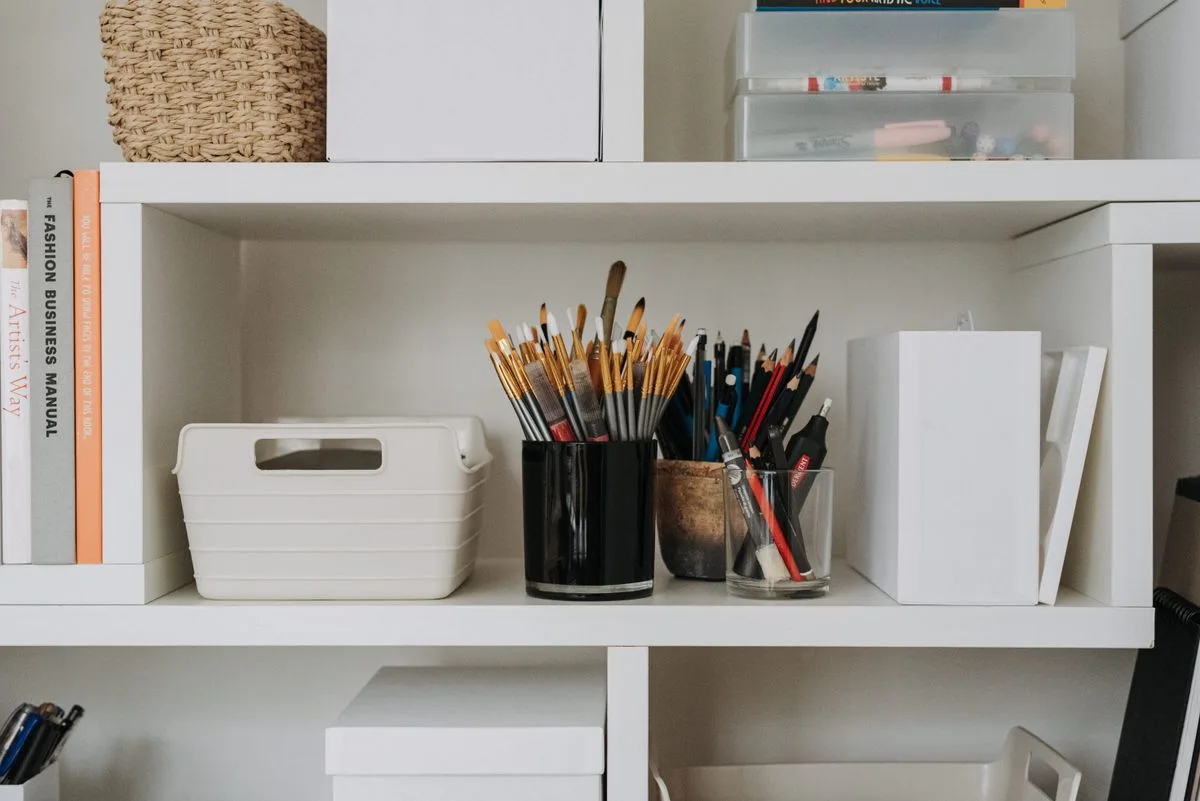
Choose a tray or folder large enough for the usual paper. Let work dry fully before stacking it, and keep loose or messy materials away from items that need to stay clean.
A landing place buys time between arrival and decision. You do not have to decide what to keep while carrying school bags through the door.
Set a visible boundary: when the folder is comfortably full, look through it together. Avoid squeezing in more until pages bend or disappear underneath other objects.
Invite the child's own judgement
Ask which piece they want to tell you about. The story behind a drawing may explain why it matters more than its appearance.
Offer concrete choices for a younger child: “Would you like this one on the wall or in your folder?” Older children can make a small selection from the batch and explain it if they wish.
Do not require a defence for every favourite. Children can also change their minds. If an adult wants to keep a particular piece, say so rather than presenting that preference as the correct answer.
Keep sorting separate from criticism of the work. The purpose is choosing storage, not rating artistic ability.
Use a display that has room to change
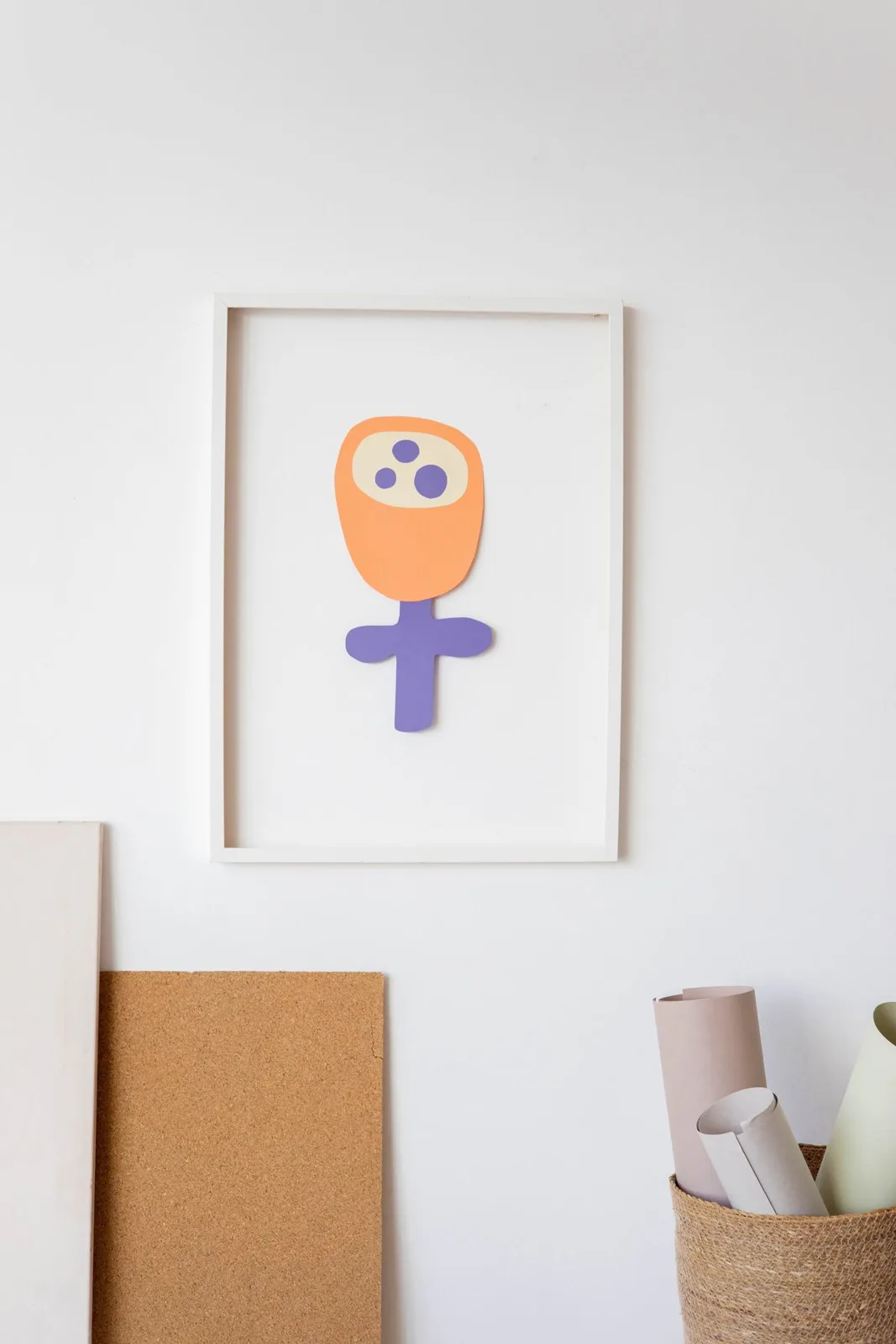
Give the display a fixed number of places, such as two frames or a small section of a board. Use fixings suited to the wall and keep pins or small attachments out of younger children's reach.
Let the child choose what replaces an older piece. The removed work can move to the keepsake folder or join the next sorting session.
If siblings share the display, agree a simple arrangement that gives each a usable space. Equal frame sizes are less important than children understanding how choices are made.
Keep the selected work usable
Store paper flat in a labelled folder. Add a date or the child's explanation on the back only if it helps preserve the memory; avoid writing over the original picture.
For a bulky model, discuss whether a photograph would preserve what the child wants to remember. Keep the actual object when practical, but be honest about the space available.
Recycle suitable paper only after agreed decisions, and follow local guidance for mixed materials. Work with glue, glitter or attached items may need different handling.
Review the folder occasionally with the child. A smaller collection they can open and recognise is more useful than an inaccessible box nobody remembers.
Make it work for your family. Keep the useful bits and change the rest.