A young guest does not need a basket full of presents to feel welcome. A few useful items and a calm explanation of the house can make an unfamiliar bedroom easier to use.
Check the arrangements with the child's responsible adult first. Ask what they normally bring, what helps at bedtime and which practical information you need for their care. Avoid guessing based on another child's preferences.
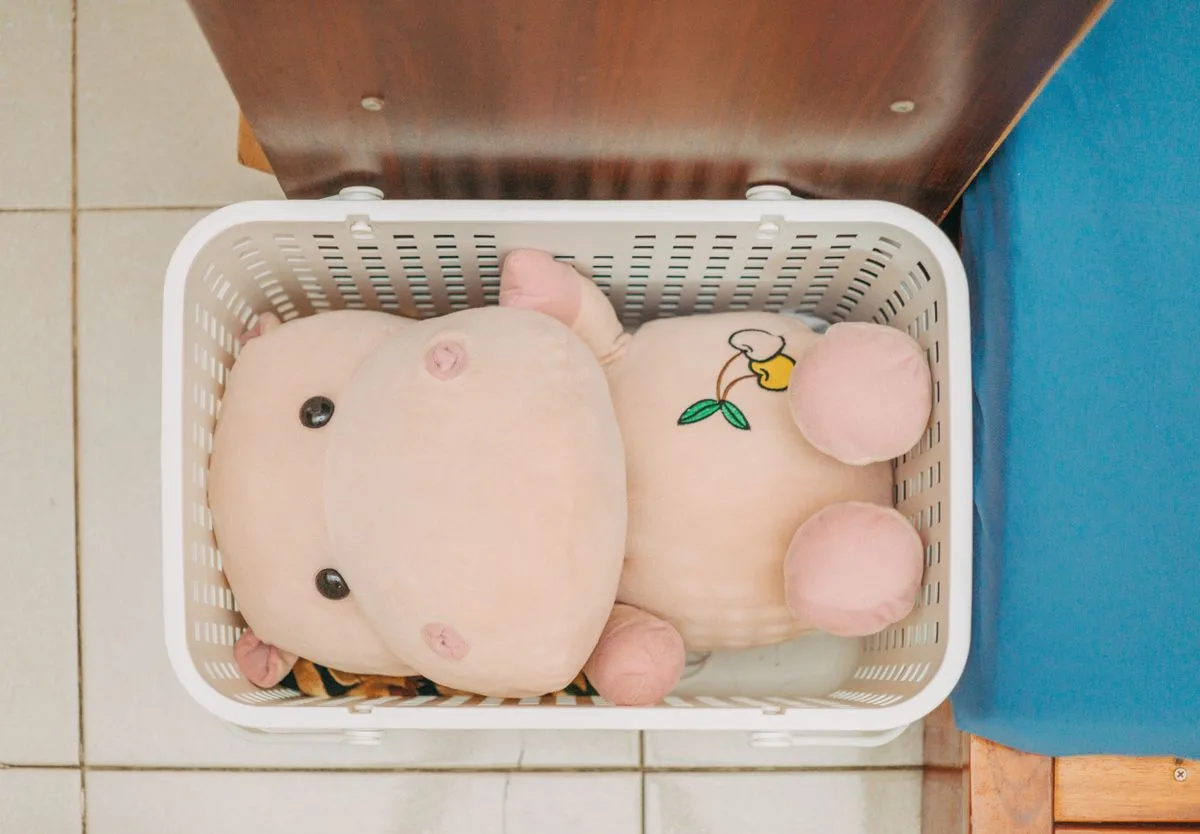
Use the basket to gather essentials
Choose a small existing container and put it somewhere reachable. A clean towel, an age-appropriate book and a place for the child's own night-time belongings may be enough.
Keep toiletries or other products with the adult where supervision or individual instructions are needed. The basket is a convenient landing place, not a replacement for agreed care arrangements.
Leave space for a familiar toy or book the child brings. Ask their adult to label important belongings if that would help avoid mixing them with the host children's things.
Avoid surprise food or scented products. Check relevant requirements directly rather than assuming a treat will suit everybody.
Show the guest the ordinary details
Explain where their clothes, shoes and bag can go. Point out the bathroom, the light switch and where they can find the adult caring for them.
For a younger child, walk through the sequence together: pyjamas here, towel there, book beside the bed. An older child may prefer a brief tour and a chance to ask questions privately.
Tell them how to ask for help during the night. Use a simple arrangement that matches your actual sleeping spaces rather than promising an adult will be in a place they are not.
Include the household children in the welcome, but do not make them responsible for supervising or comforting the guest.
Keep choices small and genuine
Offer two suitable books or let the guest decide where to put their familiar toy. Too many choices can make settling in feel like another activity to complete.
A guest may want to use their own belongings even when the basket contains similar things. That is useful information about what feels familiar to them.
Explain any shared-room arrangements clearly: which drawer is available, what belongs to another child and when the room needs to become quiet. Check these boundaries with the host children too.
Do not insist that the guest join a planned game or match your child's usual bedtime conversation. Leave room for a quieter arrival.
Make leaving as simple as arriving
Keep the empty travel bag or overnight bag in a known place. In the morning, use the basket as a gathering point for belongings ready to go home.
Check bedding, bathroom and shared play areas for small personal items. Ask the guest about their familiar toy or book rather than assuming it has already been packed.
Wash or reset reusable household items after the visit. Remove anything unnecessary from the basket before putting it away.
The useful welcome is a clear, comfortable place in the home, with an adult who knows the agreed arrangements and a child who knows how to ask for what they need.
Make it work for your family. Keep the useful bits and change the rest.