A windowsill project gives children something that changes between one ordinary day and the next. Keep the first attempt small: a few suitable seeds in labelled pots are easier to care for and compare than a crowded tray of different plants.
Choose seeds sold for the purpose and read the packet before setting up. It provides the sowing depth, season and growing conditions for that particular plant.
Match the plant to the actual windowsill
Look at the available light and space. Check whether the window opens safely, whether curtains will brush the pots and whether the area becomes very hot.
Choose a stable place out of the way of meals and ordinary household work. Do not place pots where children must climb to reach them.
Read the plant information, including any cautions relevant to children or pets in your household. An adult should select appropriate plants and manage seed packets, tools and materials.
A small indoor project may eventually need outdoor space or a larger pot. Know that before sowing rather than discovering later that there is nowhere for the plant to grow.
Set up a few clearly labelled pots
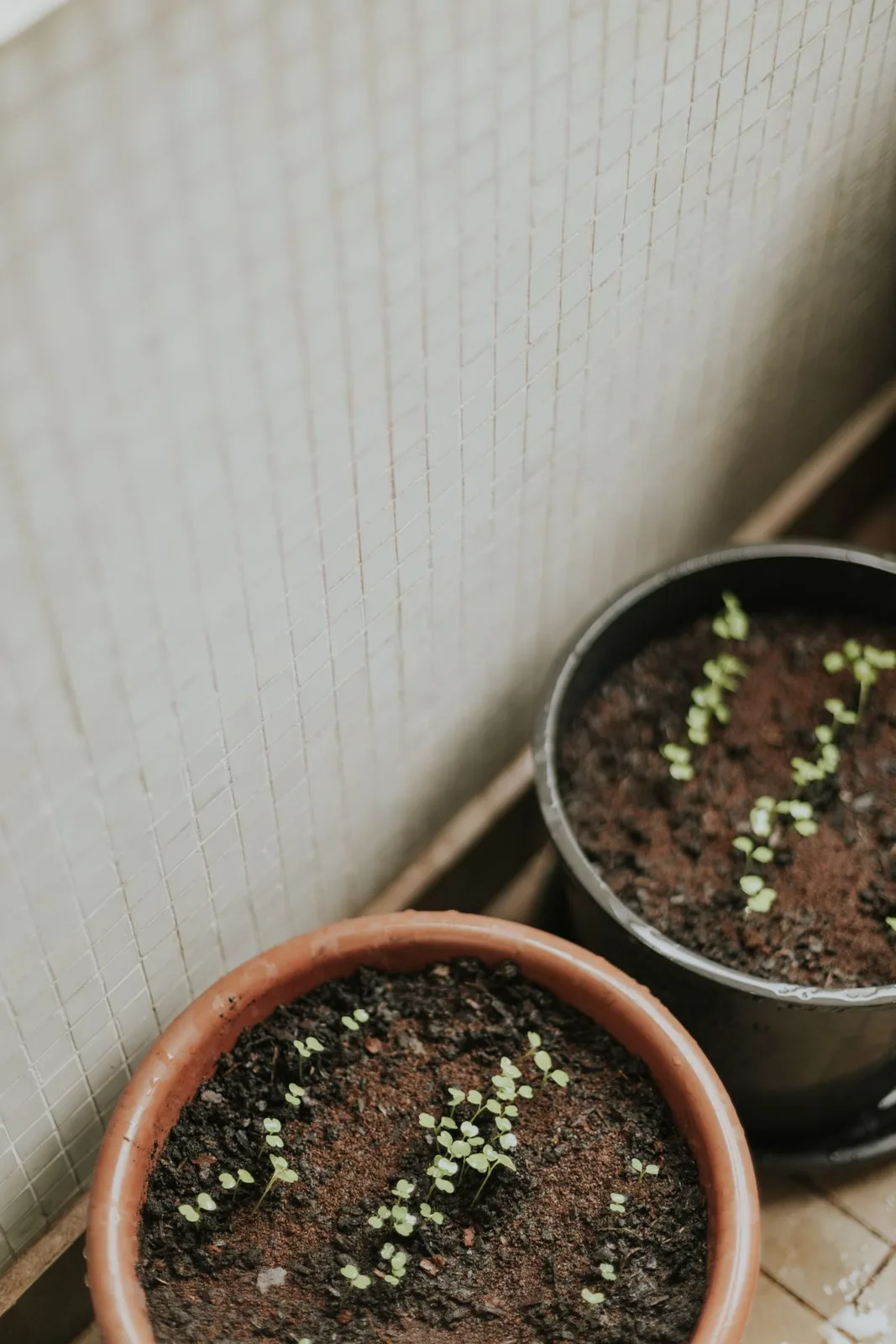
Use suitable containers with drainage and a tray underneath. An adult can prepare any holes or alterations using appropriate tools.
Follow the seed packet's instructions for compost, depth and spacing. Give children a specific role: filling a pot, placing a seed or drawing a label.
For younger children, work with one container at a time. Older children can compare the instructions for two plants or record what was planted in each pot.
Label the pots immediately, including the date if useful. Seeds and compost can look very similar once the packet has been put away.
Share care without everybody watering
Agree who checks the pots and how they decide whether watering is needed. Follow the growing instructions and check the compost rather than automatically adding water whenever somebody passes.
A small watering container helps make the task manageable. Keep the tray from overflowing and wipe spills promptly.
If several children want a turn, assign different jobs: checking, watering when required and recording changes. Rotating these roles can give everyone something real to do without repeatedly soaking the same pot.
Wash hands after handling growing materials, and keep the project separate from food preparation surfaces.
Look closely and adapt the plan
Notice the first visible shoot, changes in leaf shape or which pot dries more quickly. Children can draw observations without measuring every day.
Avoid promising a particular result by a particular date. Growing conditions vary, and not every seed will germinate. If a pot remains unchanged, revisit the instructions and decide whether to wait or try again.
Move or repot plants when their instructions call for it. Keep the original small boundary by growing fewer plants well rather than filling every spare surface.
Finish the project by deciding what happens next: continued care, an outdoor move or another small sowing using what you have learned.
Make it work for your family. Keep the useful bits and change the rest.