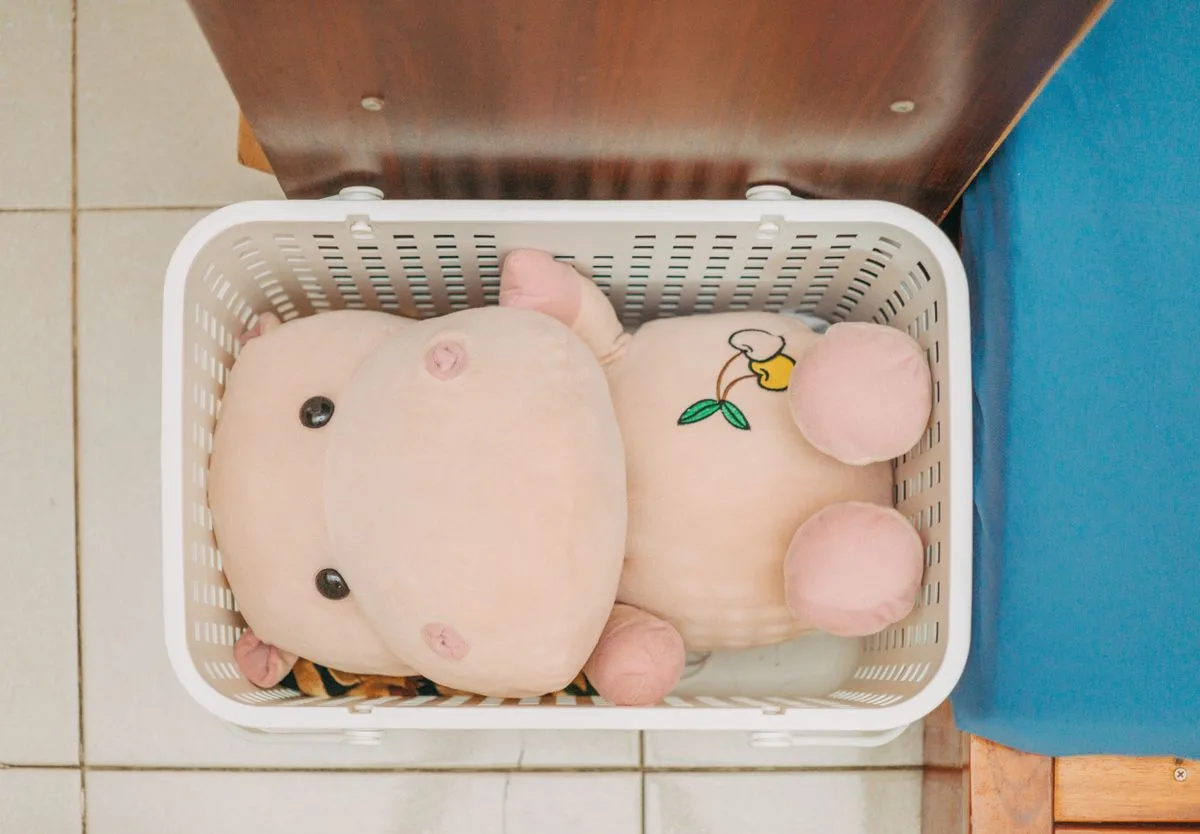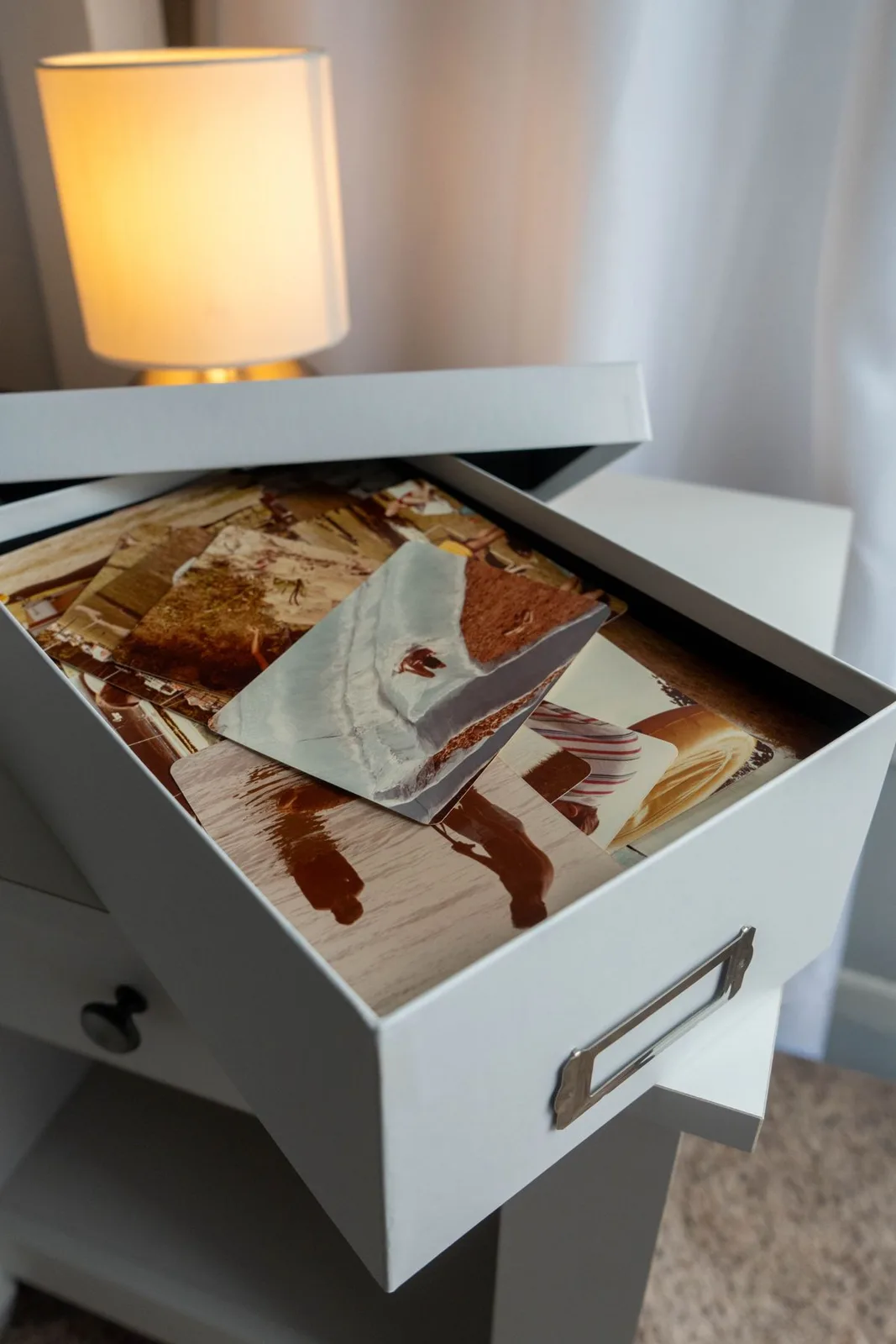
A memory box becomes meaningful through the stories attached to its contents. A small ticket, an ordinary drawing or a favourite outgrown hat may matter more than something expensive.
Choose a box you already have and start with a few items. You do not need to reconstruct every year of the child's life before making a useful collection.
Agree what the box is for
Explain the difference between a memory box and a place for everyday toys. The contents are things the child wants to keep because of a particular person, event or period of their life.
Ask for their suggestions. A younger child can choose from a small selection; an older child may have ideas adults would not have considered.
Adults can keep their own meaningful items too. Say which objects you would like to preserve and why, rather than assuming the child's choices should match yours.
Give each child a recognisable box or separate section. Matching boxes are unnecessary if the available space and ownership are clear.
Choose items that can be stored sensibly
Check that objects are clean, fully dry and suitable for enclosed storage. Food, damp natural materials and items likely to deteriorate quickly need a different decision.
Keep fragile or irreplaceable originals with an adult if ordinary handling would damage them. A photograph or copy can go in the child's accessible collection instead.
For a large object, discuss what part of the memory matters. A photograph of a cardboard model may preserve its story without requiring the whole model to fit.
Do not quietly discard something important to the child because it looks ordinary. Talk about the space available and work through a manageable choice together.
Add enough context to recognise the story
Use a short note where it helps: what the item is, when it arrived and whose memory it represents. A date alone may not explain why a scrap of ribbon matters.
Ask the child whether they want their own words recorded. “The ticket from the train with Auntie” can be more useful later than a formal adult description.
Attach notes in a way that does not damage the original object. Keep small loose pieces contained safely, with adult management where age or handling requires it.
Avoid turning every addition into a long writing task. Some objects will explain themselves, and others need only one sentence.
Review without making it a test of attachment
Look through the box occasionally when the child wants to. Let them retell stories, change their mind or move something back into everyday use.
When the box becomes full, discuss the choices before buying more storage. A smaller selection or a photograph of a bulky item may create enough room.
Keep items adults want to retain separately if the child no longer wants them in their own box. This makes the difference in ownership honest.
Return the collection to an accessible, suitable place. The box succeeds when its contents can still be recognised and enjoyed, rather than becoming another sealed container nobody opens.
Make it work for your family. Keep the useful bits and change the rest.