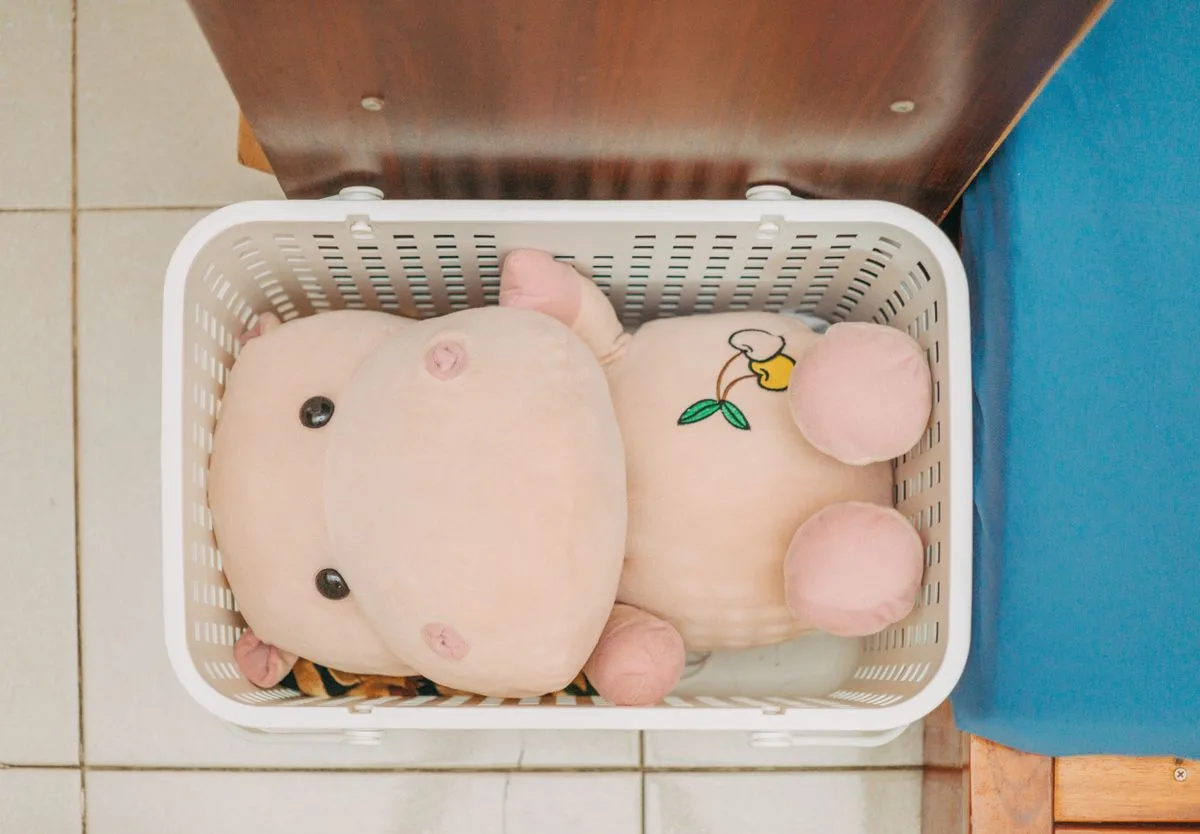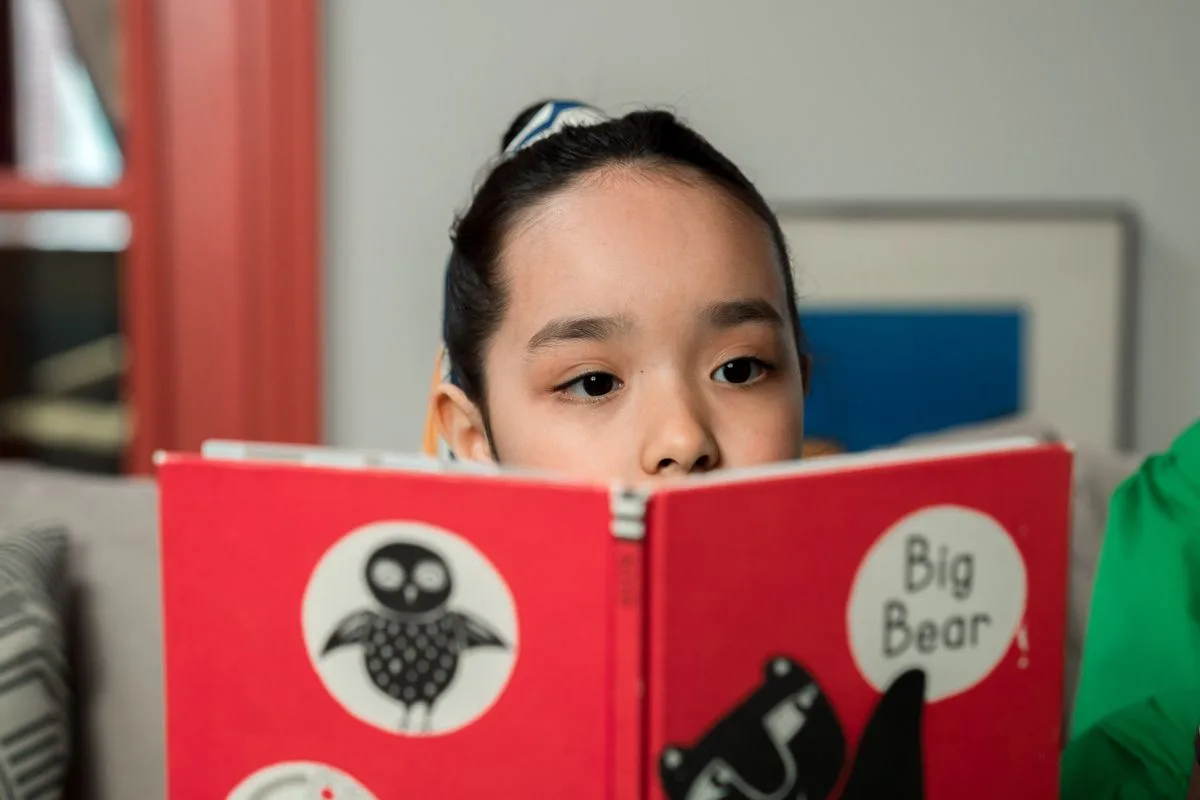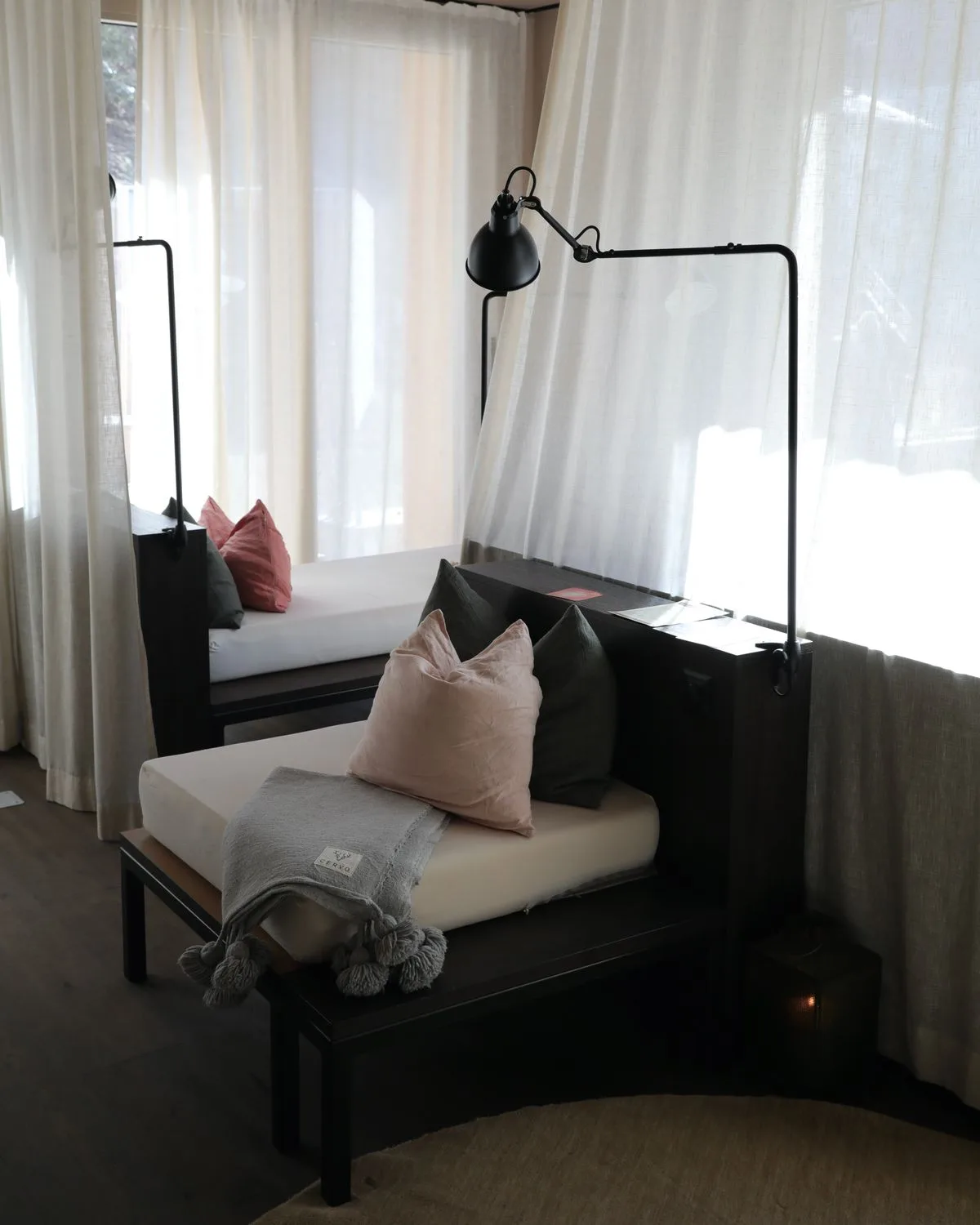
A quiet corner can be a place to read, look at pictures or sit with a familiar toy. It works best when children can choose it as an ordinary part of the room, rather than being sent there as a punishment.
Start with comfortable seating you already own. The space does not need a tent, special equipment or a separate name to offer a change of pace.
Choose a comfortable place within ordinary family life
Look for a spot away from the busiest walking route but close enough for adults to remain available. Try sitting there yourself and check light, temperature and interruptions.
Keep furniture stable and make sure the area does not block access to doors or windows. Avoid enclosing the space in a way that makes supervision difficult.
A younger child may want an adult nearby. An older child might value somewhere slightly apart while still being part of the shared room.
Use a cushion or familiar blanket if it helps and is suitable for the child. More soft furnishings are not automatically better, especially if they make the space hard to keep clear.
Explain how people can use the corner when somebody else is there. A single seat may need a simple turn-taking arrangement rather than an expectation that everybody can fit at once.
Offer a small choice without filling the space
Put out a few familiar books, drawing paper or one quiet toy. Choose materials the child can use appropriately, with adult support where needed.
Keep the supplies in a small container so they do not spread across the seat. The corner should still have room for someone to settle.
Ask children what they would find useful. A younger child can choose between two books; an older child might prefer an empty notebook rather than a prepared activity.
Avoid adding a large menu of things designed to make every visit productive. Sitting quietly is a valid use of the space.
If a child brings a noisier game into the corner, explain the household arrangement plainly. You can offer another place for the game without treating their choice as misbehaviour.
Introduce the corner as an option
Show the space during an ordinary moment. “You can sit here with your book if you want a quieter place” is a clear invitation.
Do not require a child to use it when they are upset or insist they stay until they appear calm. Stay available and respond to what they actually need.
Children may prefer company there, use it only occasionally or choose another familiar spot. Notice whether the arrangement is helpful rather than trying to establish a daily quota.
Reset the corner with the rest of the room: books back, loose materials returned and seating available. Remove items that repeatedly go unused.
As children grow, ask whether they still want the same things nearby. A useful quiet place changes with its users and remains one comfortable option within family life.
Make it work for your family. Keep the useful bits and change the rest.