An outdoor plan can disappear before breakfast when the weather changes. The replacement does not need to become a full day of adult-led entertainment. Start with the parts of the day that still exist: meals, household jobs and a few places to play.
Acknowledge the cancelled plan plainly. A child can be disappointed without needing an immediate promise of something bigger or better at home.
Keep a few familiar anchors
Decide what needs to happen today and which arrangements can change. Meals, an essential errand or another adult's work may shape the available time.
Explain the day using a short sequence. A younger child might need “breakfast, drawing, lunch”; an older child can help write a loose plan with room between activities.
Avoid filling every hour. A home day will include waiting, independent play and moments when adults are busy. Making those gaps visible is more honest than planning a continuous programme you cannot deliver.
If an outing has been postponed rather than cancelled, say only what is confirmed. “We will choose another date” is different from guaranteeing tomorrow's weather.
Keep familiar household routines where they remain useful. The whole day does not need to change simply because one event has.
Choose one activity with the materials already available
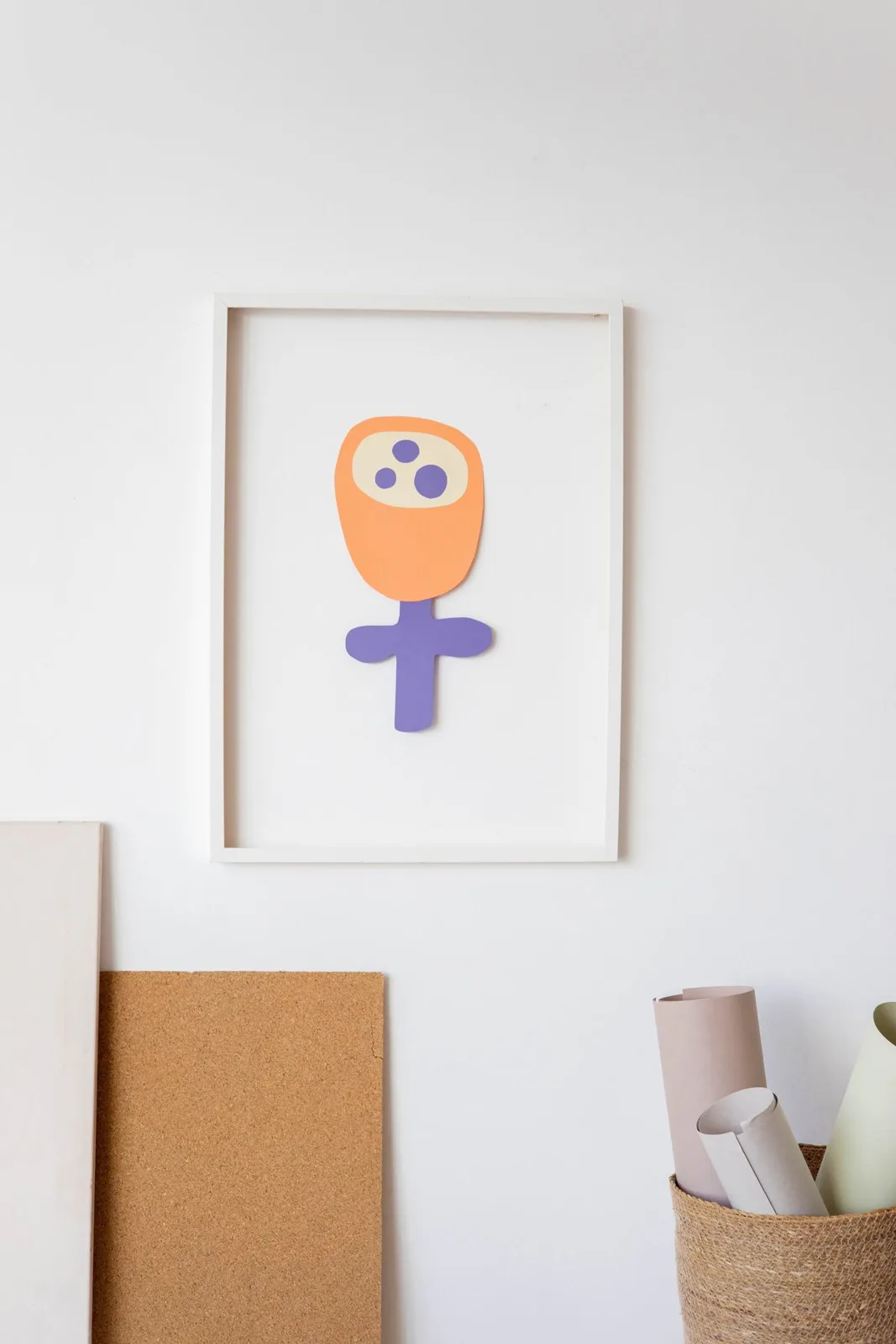
Offer two realistic possibilities, such as a drawing table or building a cardboard road. Check the space and supplies before presenting the options.
For siblings of different ages, choose an activity with room for separate versions. Younger children can make broad marks or simple structures; older children can add detail without directing everybody else's work.
Keep the set-up small enough to clear before the next meal. A tray of supplies is more manageable than opening several cupboards in search of the perfect rainy-day project.
If children want different things, see whether the activities can happen alongside one another. They do not need to share the same game all day to spend time together.
Let the activity end when interest fades. Returning the materials to a usable state leaves the option of beginning again later.
Make room for a change of pace
After a focused activity, offer another kind of ordinary moment: looking at books, helping set the table or moving to music in a clear space.
Adults can name when they need to do their own jobs. Give children an available choice without pretending you can remain constantly involved.
A quiet period is an invitation, not a requirement to sit still for a set duration. Younger children may need company; older children might choose a book or their own small project.
Before the evening, clear the main shared area and notice what helped. Ask a specific question, such as which game they would choose again, rather than expecting the day to match the abandoned outing.
Keep any useful activity supplies together for another occasion. The home plan has worked when it gave the day enough shape to be manageable while leaving everybody room to change direction.
Make it work for your family. Keep the useful bits and change the rest.