The journey home begins while everyone is still enjoying the destination. Waiting until children are exhausted can make finding the station, packing bags and explaining the next step harder. A return plan works best when it is arranged before those last reserves have gone.
Keep the plan specific to your transport and the family's usual needs. A car trip, bus ride and walk home each have different practical constraints.
Set the return arrangement early
Check the journey home before leaving for the outing, using current transport and route information. Include the time needed to reach the stop, station or car park from the final activity. The departure time from the venue is not the same as the service time.
Keep tickets, payment and essential travel details accessible to the responsible adult. If you have a fixed return booking, make its deadline visible in the day's plan and leave a realistic margin.
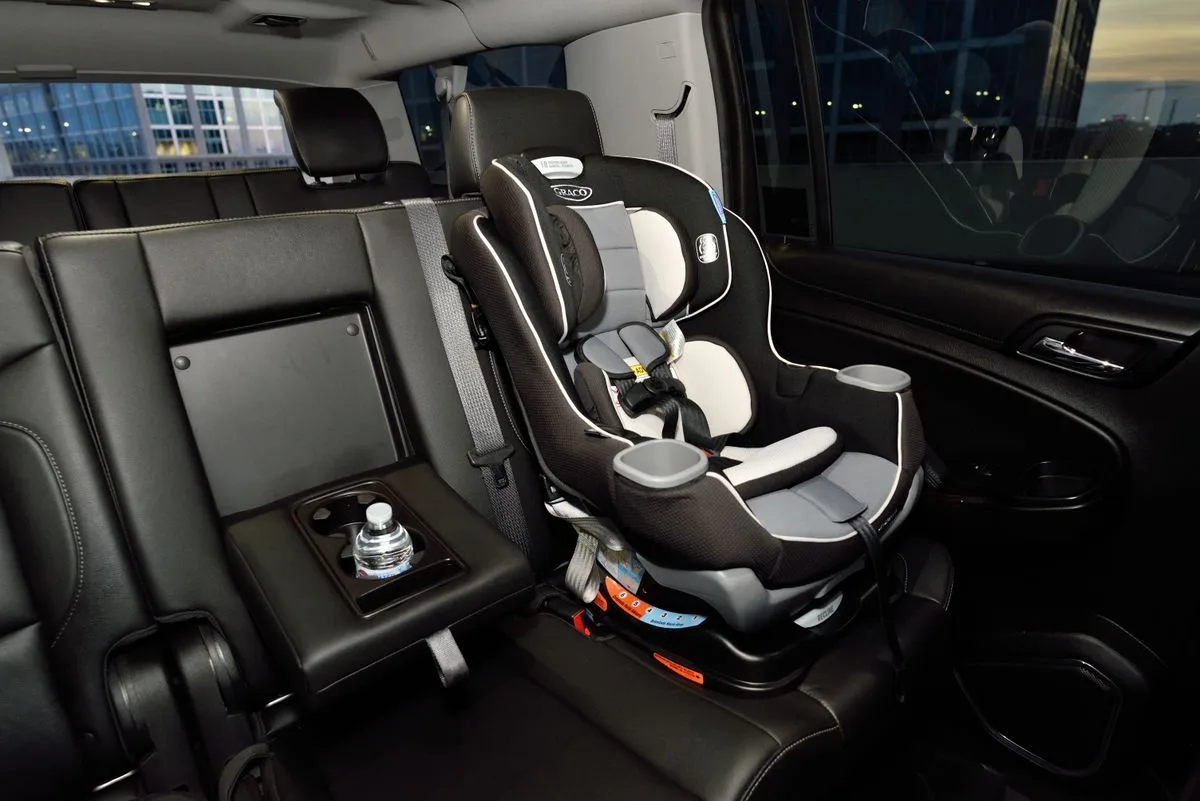
For driving, plan any necessary breaks and ensure the adults' travel arrangements remain workable. The driver needs to concentrate; another adult can manage children's activities where one is available.
Reserve a small set of essentials
Keep a drink, suitable clothing and any necessary personal supplies where you can reach them without emptying the main bag. Follow food storage requirements if you plan to carry something to eat later.
Choose one familiar quiet activity for the journey, such as a book or a spoken story. Do not rely on a complicated craft or many loose pieces when everyone has less patience for finding them.
If children are walking, keep bags within what adults can manage. A souvenir that was easy to buy may become difficult to carry alongside a tired child and the original luggage.
Give departure a concrete sequence
Say what will happen next: final activity, toilet stop if needed and available, gather belongings, then the route home. Offer notice before the final activity rather than announcing the end from across the room.
Give each child a small appropriate job, such as holding their coat while an adult checks the bag. Adults should manage essential belongings and supervision. Do not make a child responsible for the only ticket or another person's needs.
If the group is already struggling, remove optional stops. A shop visit on the way out can add another queue and another departure when the main purpose has been completed.
Make arriving home a soft landing
Before the outing, leave the entrance clear and have a realistic plan for the next meal or home routine. It need not be an elaborate welcome; a known place for wet shoes and a usable kitchen surface can help.
On arrival, deal first with food that needs appropriate storage, wet clothing and essential items. Leave non-urgent sorting until the adults and children have had a moment to settle.
Later, note which part of the return was awkward. Change that one connection next time, perhaps the final venue stop or where tickets were kept. The return deserves planning because it is part of the day, not merely the distance after the interesting part.
Make it work for your family. Keep the useful bits and change the rest.