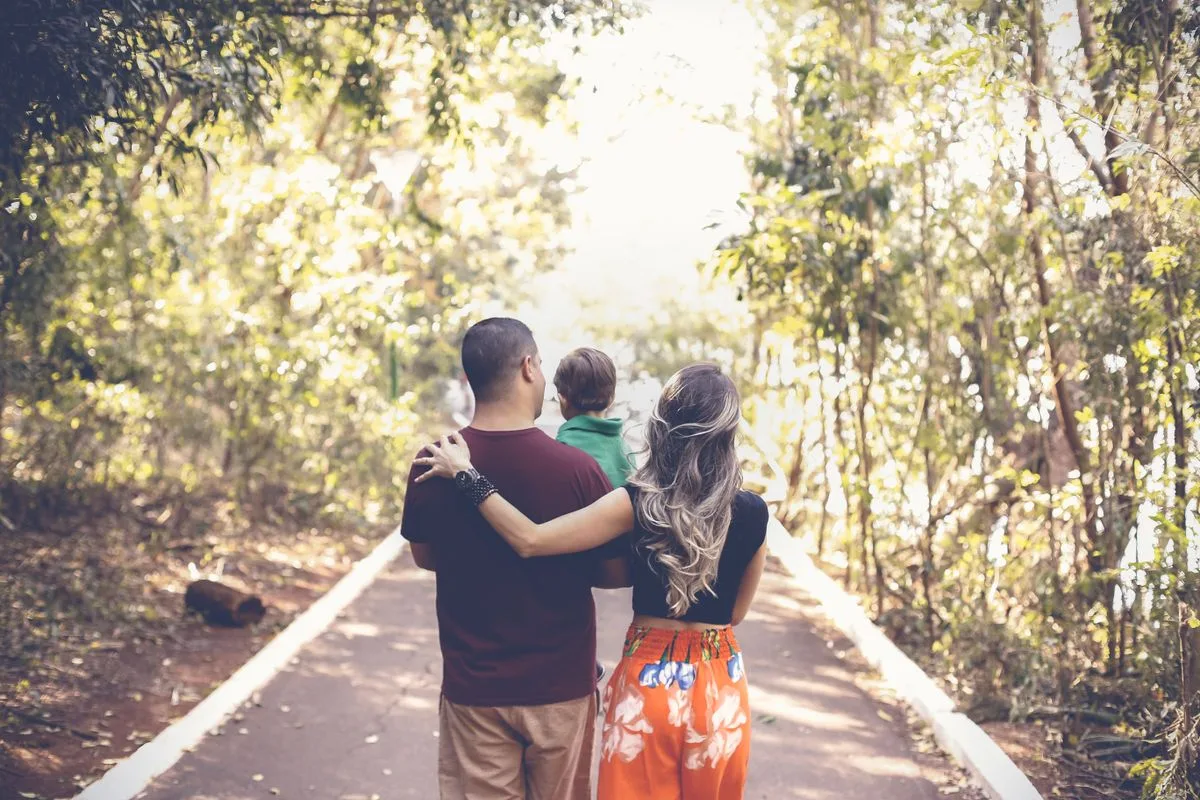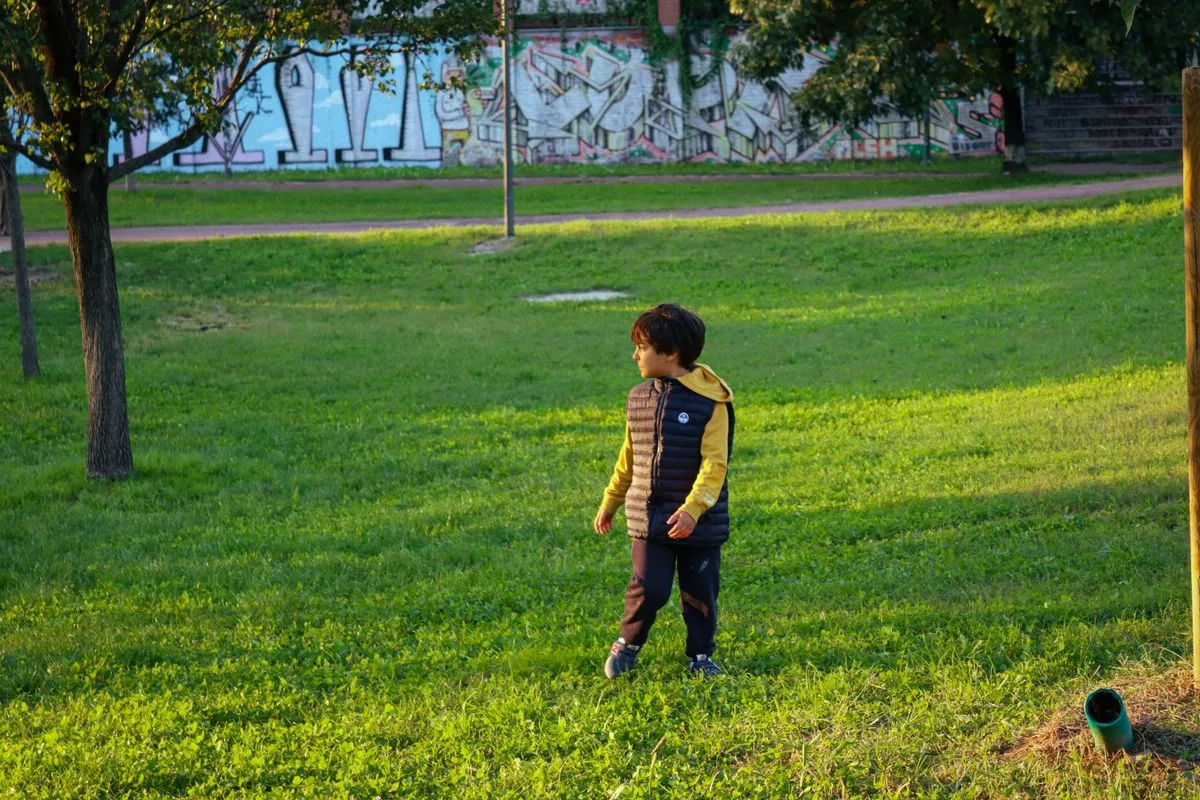
A familiar park does not need a new attraction to feel different. One small mission can change what children notice: find three kinds of shade, choose a tree to draw or follow the widest permitted path to a favourite bench.
The mission is an invitation rather than a requirement. Keep the usual pleasures of the park available, including the possibility that a child would rather use the swings.
Pick a mission that fits the park
Choose something children can observe from public paths and ordinary play areas. Look for contrasting leaf shapes, listen for three different sounds or find a place where the sky looks especially wide. Do not send children towards water, roads, steep ground or restricted areas to complete a challenge.
Check the park's signs and current conditions when you arrive. Maintenance work, wet ground or an event may change what is available. Adapt the mission instead of insisting on the route you imagined at home.
Avoid a long list. “Find something rough and something smooth” gives a clear start while leaving room for other discoveries. Where touching is unsuitable, children can describe what they see instead.
Let the children set the difficulty
For a two- or three-year-old, looking together for one familiar colour may be enough. Point to a possibility and let them respond in their own way. There is no need to turn every object into a question.
A school-age child might add a rule: find the colour in something growing and something built. Another could draw a quick map of where each discovery was made. A pencil and scrap paper are optional, not essential supplies.
If siblings want different missions, keep them within the same supervised area. They can share findings at a bench rather than competing over who finishes first. The most confident child does not have to lead every part.
Pause long enough to notice
Once someone finds something, allow a brief stop. Ask a concrete question only if it fits: “What makes that bark different from the other tree?” Children may prefer to touch an appropriate surface, sketch it or simply look.
Leave plants and wildlife where they are, follow local instructions and avoid disturbing habitats. A mission based on noticing works without collecting a bag of souvenirs.
If you cannot identify something, describe it accurately and look it up later if anyone is interested. There is no need to supply a confident name for every bird or tree.
End while it still feels small
Choose a natural finish such as reaching the next bench or finding the agreed number of examples. Then return to ordinary play, have your planned break or head home. Do not add another round automatically because the first one went well.
A child who drops the mission has not spoiled the visit. Follow their new interest where it is practical and safe. On another day, ask whether they want to choose the mission themselves. Keeping it light makes a familiar park useful again without requiring a different destination every weekend.
Make it work for your family. Keep the useful bits and change the rest.