A home post office gives drawings and short messages a destination. It can be as small as a box on the table and three named delivery places. Children can write, sort, stamp or deliver without needing to do every job, and the same envelopes can travel several times.
Keep the pretend post separate from actual household letters. Real envelopes may contain private information, and real stamps need a different home.
Create a counter and collection box
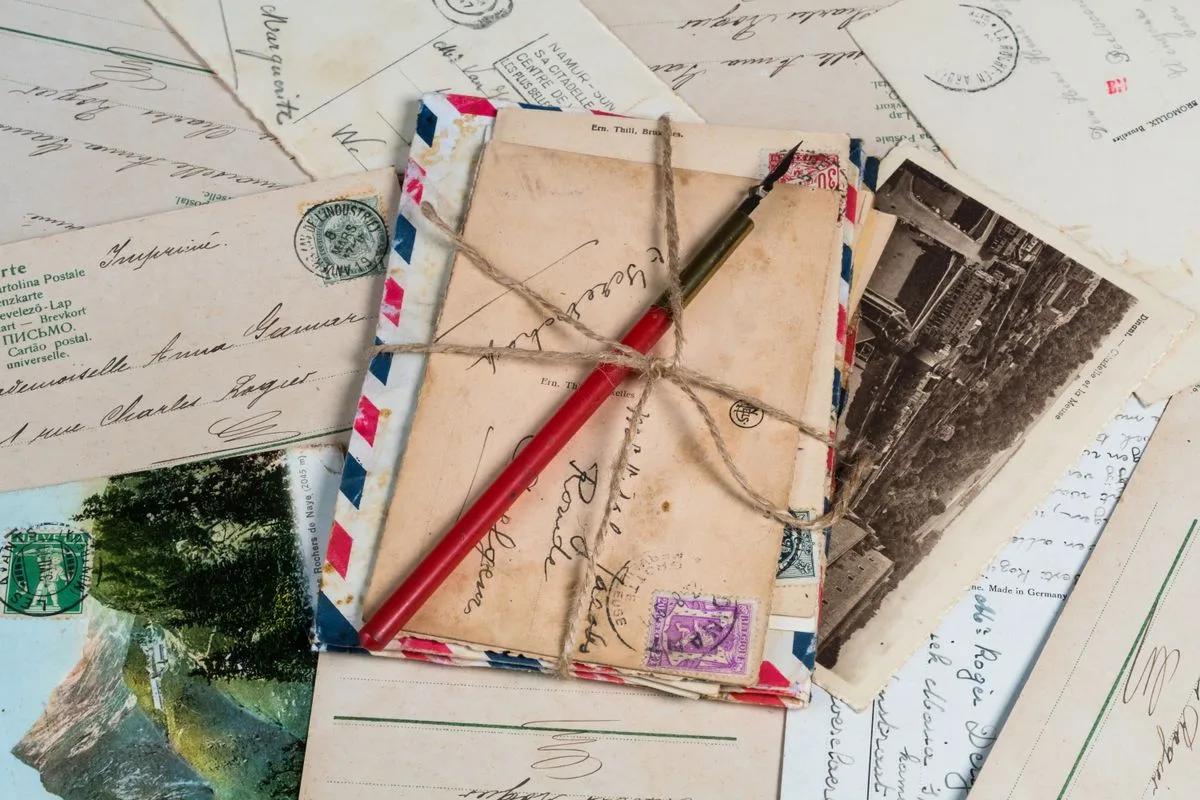
Use a small cardboard box with an open top for collecting post. An adult can prepare any opening that requires cutting. Add a simple sign, then put plain paper and a few envelopes beside it. Folded paper makes an adequate envelope if you have none.
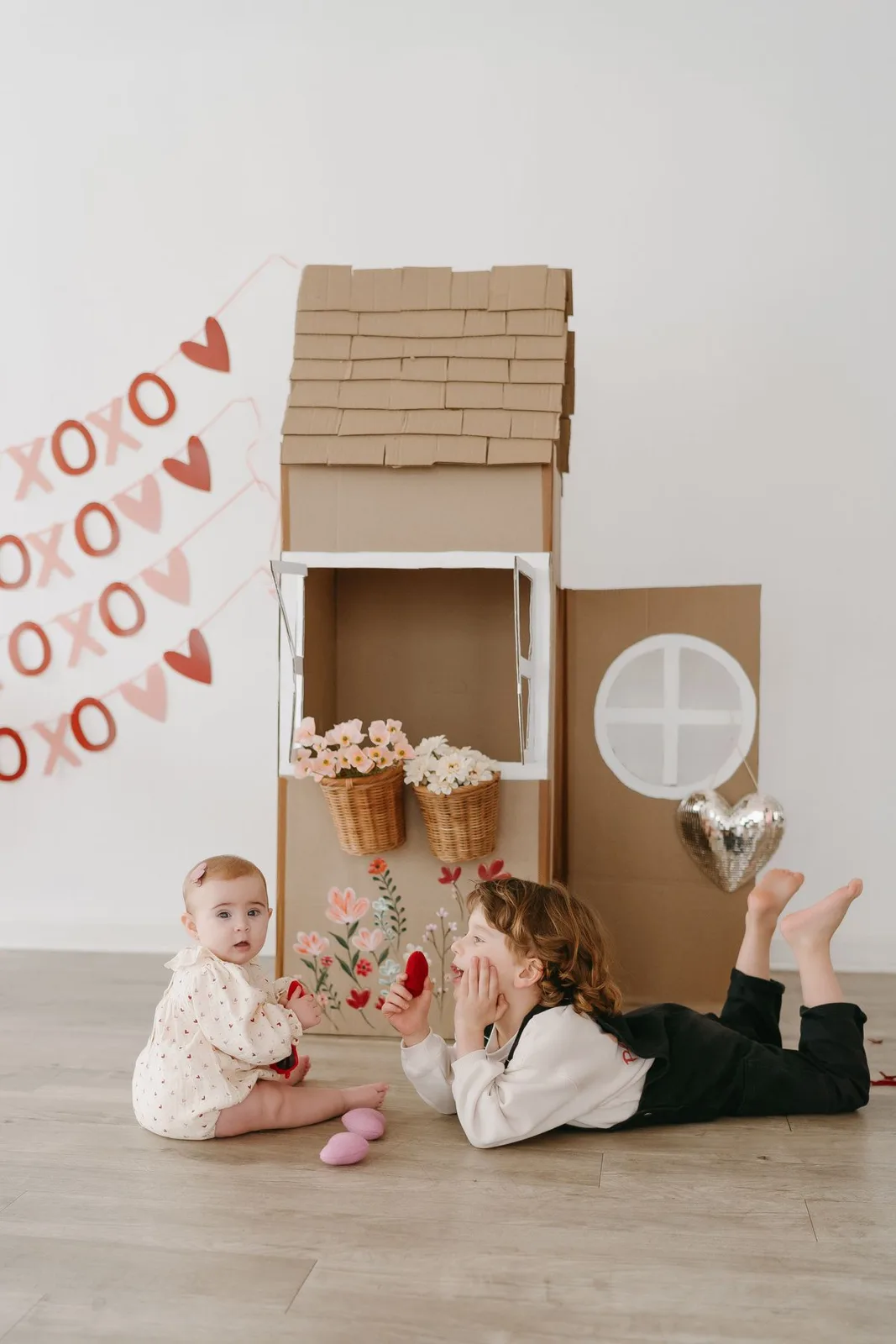
Choose three destinations within the play area, such as a sofa cushion, a toy house and a chair. Give each a clear picture or large label. Keep delivery routes within agreed rooms, away from stairs or places that encourage climbing.
A small tray can be the sorting counter. Leave enough space for children to lay envelopes flat and see the destinations without stacking everything together.
Make messages worth delivering
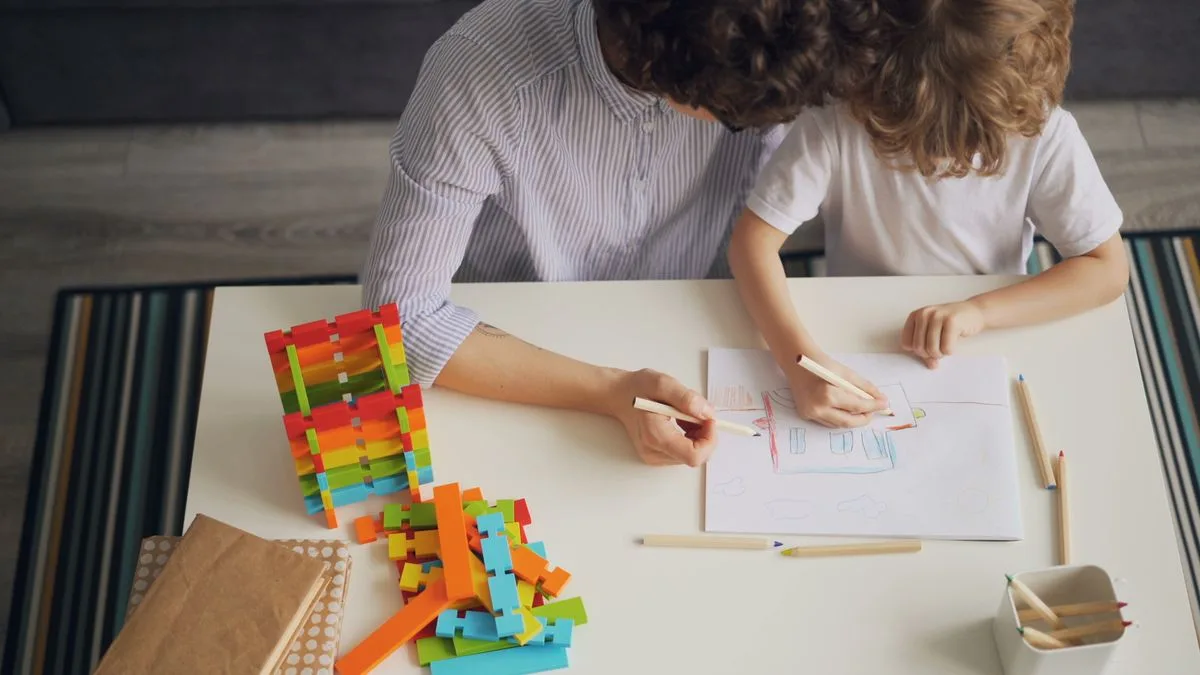
Invite children to send something specific: a drawing for a toy, an invitation to a pretend picnic or a message asking someone to visit the shop. Younger children can choose a picture for the front while an adult writes their words inside.
Older children may enjoy adding a greeting, a question and their name. Do not turn every envelope into handwriting practice. A message of three words can do a real job in the game.
Use drawn squares as pretend stamps. There is no need for small detachable decorations, particularly around younger siblings. If an envelope has already travelled, cross out the old destination clearly before using it again.
Sort first, then make a round
Collect a few letters before delivering them. Children can group them by destination or by the pictures on the front. Check the groups together, then place them in a light bag or basket the delivery person can carry comfortably.
A reader and a non-reader can work as partners: one names the destination while the other matches the picture. Swap jobs if both want to deliver. A seated child can manage the counter while others bring post to them.
When a letter arrives in the wrong place, make it part of the story. Bring it back to the sorting tray and look for the information that was missed. Avoid treating the route as a race.
Close the office with a final collection
Announce one last collection, deliver the remaining letters and return borrowed toys or baskets. Store reusable envelopes, signs and blank paper together in the box.
If children want to send a real letter afterwards, make that a separate adult-supported activity using the postal service's current requirements. The pretend office can stay simple: an invitation, a destination and the pleasure of getting a reply.
Make it work for your family. Keep the useful bits and change the rest.