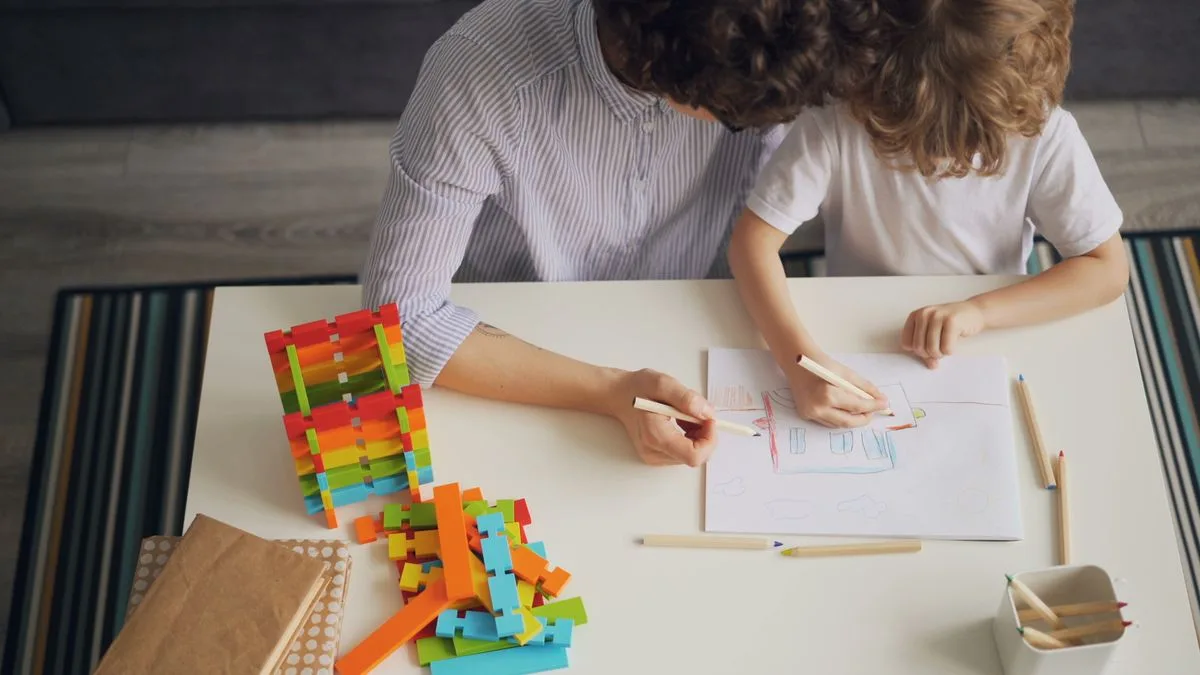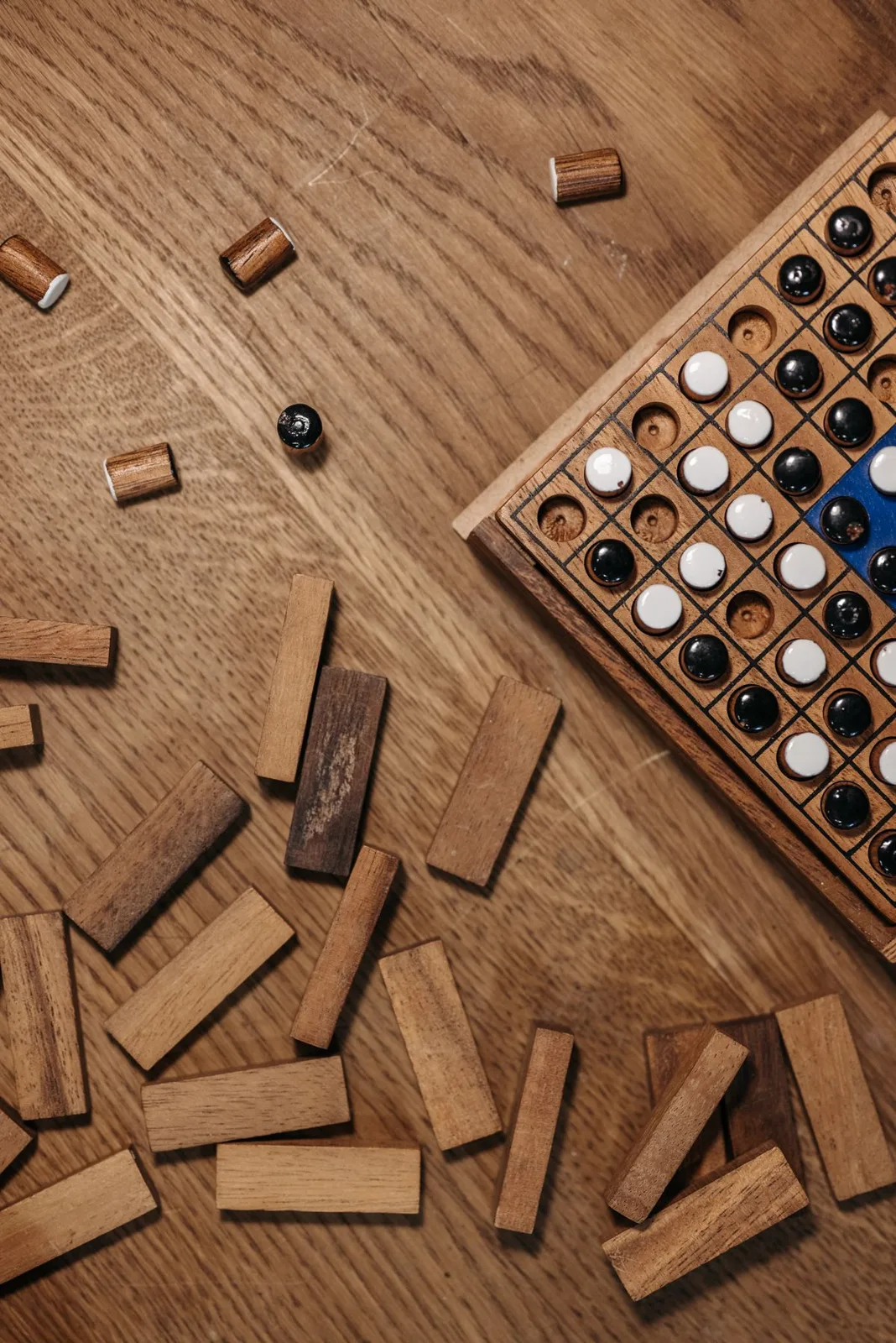
Making a board game is easier when the first version has only one main job. Choose a route from start to finish, a way to move and one interesting event. Extra rules can wait until the family has tried a full round.
An adult can flatten a clean cereal box and remove rough edges. Use its plain inside as the board. Keep packaging and cutting tools separate from younger children while preparing it.
Sketch a short route
Draw around fifteen large spaces in pencil, leaving a clear start and finish. The route might cross a garden, reach a space station or deliver a parcel. Keep the path obvious at corners so players do not need to debate where to go.
Choose playing pieces appropriate for everybody present. Large toy figures may suit a mixed-age group better than small counters. Check that two pieces can occupy the same space comfortably, or draw a waiting area beside each square.
Avoid colouring the entire board before testing it. A pencil route is easy to shorten if the game takes too long.
Choose movement without too much equipment
A familiar die can supply movement for children old enough to use it safely. Alternatively, an adult can draw numbered cards or players can choose from large paper cards showing one, two or three steps. Keep small game pieces away from children for whom they are unsuitable.
State what happens near the end. Allowing a player to finish when their move reaches or passes the final space is simpler than requiring an exact number. Write this rule beside the finish so the designer does not change it during the last turn.
Take turns around the group in the same direction. A marker beside the current player can help anyone who loses track.
Add one event that fits the story
Choose a few special spaces and give them a single kind of effect. In a delivery game, a “shortcut” space might move a player forward two steps. Avoid filling the board with both bonuses and penalties before you know how ordinary movement feels.
Children may suggest sending somebody back to the start. Try discussing how that would feel after several turns and consider a shorter setback instead. The designer can decide, but the first test should reveal whether the rule makes play enjoyable.
Try playing on the same side
For a cooperative version, move one shared character and aim to reach the finish before a simple agreed number of rounds.
Play once before making it permanent
Try the game using pencil marks and a rough rule sheet. Note where players ask the same question or spend a long time waiting. Change one problem after the round: fewer spaces, a clearer symbol or a simpler event.
Then add colour, a title and the final rules. Store the board with its pieces in a large envelope or box. Write the version date on the rules if children keep revising them, so next time everybody starts with the same game.
Make it work for your family. Keep the useful bits and change the rest.