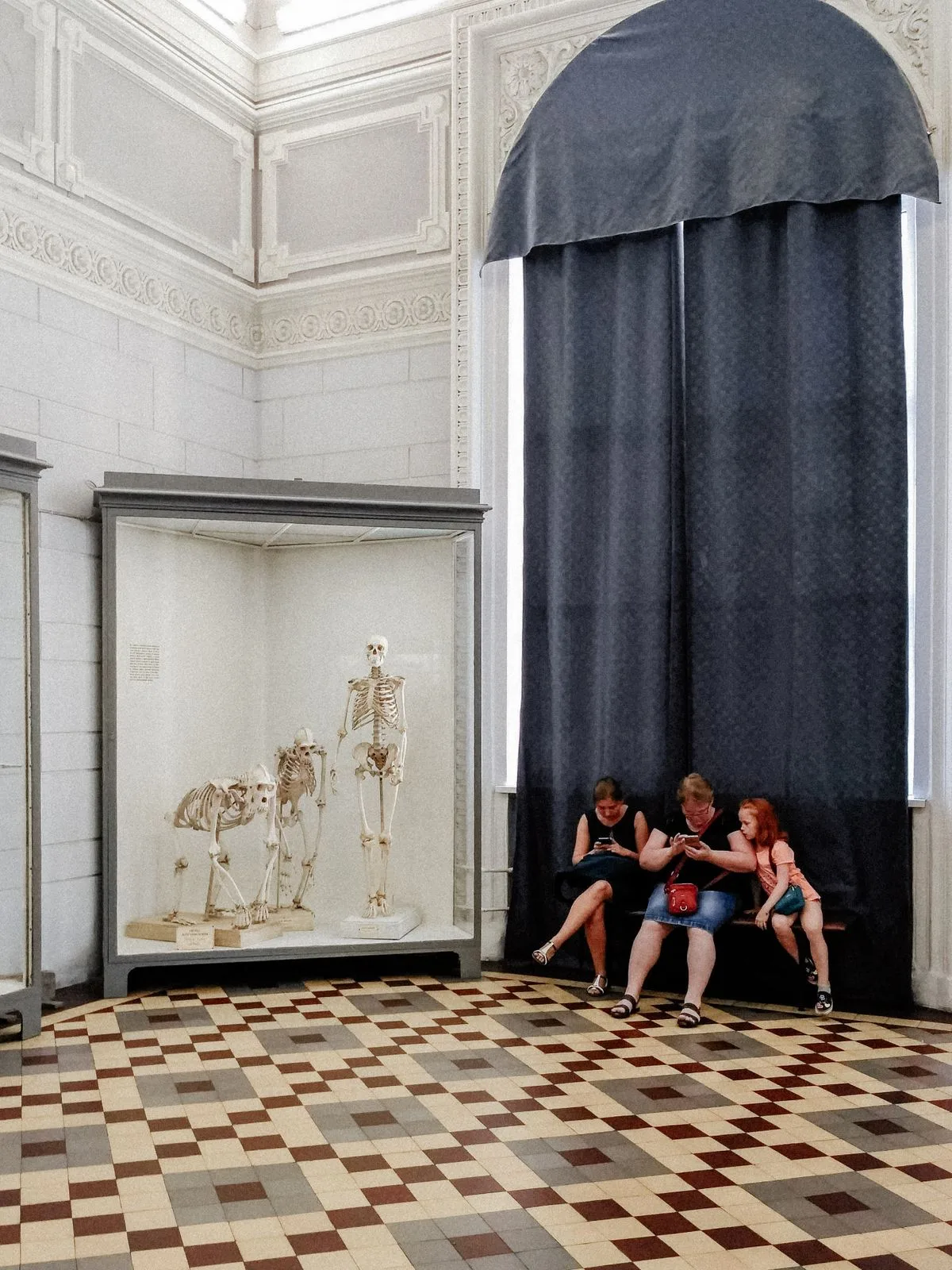
Adults may remember the attraction they booked; a child may remember the patterned floor at the entrance. A small conversation after an outing can reveal which parts actually mattered. Let children choose what to recall instead of asking them to confirm the intended highlights.
Choose a relaxed moment, not necessarily the journey home. Some children want to talk immediately, while others are ready only after a meal, a game or another night's sleep.
Offer a way to begin
Try one concrete prompt: “What would you show someone if they came with us?” or “Which bit would you do again?” Leave space for the answer, including the possibility that the child has little to say.
A younger child could choose between two photographs they helped take, or point to something on a simple sketch of the route. An older child may prefer to describe an unexpected moment without prompts.
Do not ask every possible question. Once a story begins, follow it. The conversation does not need to cover transport, food, learning and feelings in a fixed order.
Let children choose the record
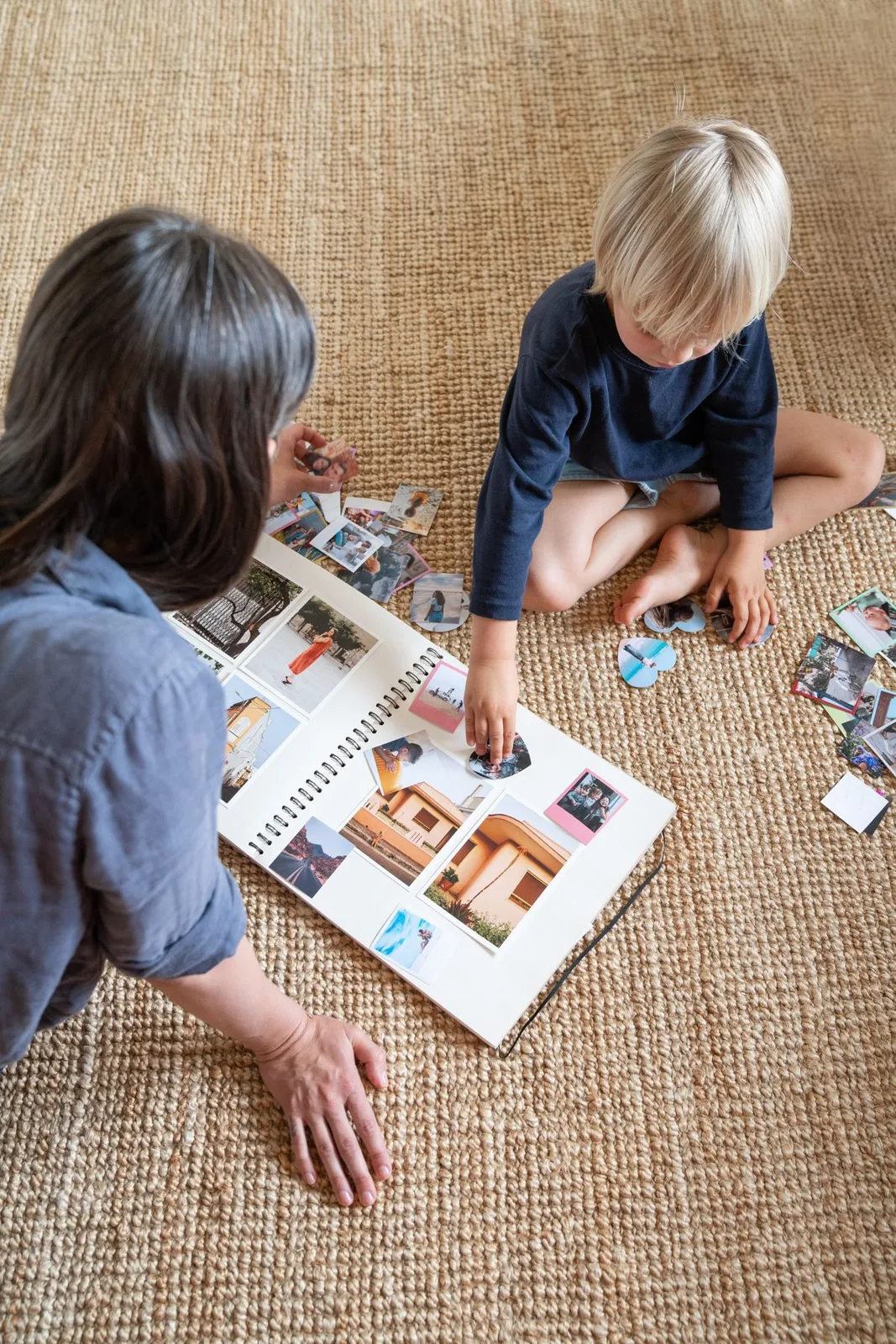
If they want to keep something, offer a drawing, a short note or one appropriate photograph. A younger child can dictate a sentence while an adult writes the words they actually use. Ask before changing the wording.
Older children might make a tiny map with the stops they remember. It does not need to be accurate enough for navigation. Leave any practical route corrections for the adults' planning notes.
Keep the scale modest. One page or one picture is enough, and conversation alone is a complete response. Avoid turning an enjoyable outing into compulsory scrapbooking.
Hear the less successful part too
Ask whether there is anything they would change, if the child seems willing to talk. Listen for concrete details: a queue felt long, a room was noisy or the walk back was difficult. Those observations can inform another plan.
Do not argue that a child should have enjoyed something because it cost money or took effort to arrange. You can explain practical limits without disputing their account of the experience.
With siblings, take turns so one confident account does not become everyone's story. They may have liked entirely different parts. Avoid comparing who noticed more or remembered the correct information.
Turn one observation into a future choice
Choose a small practical adjustment with the children where appropriate. A shorter visit, more time at one display or a different arrival route may address what they described. Adults should check feasibility before promising the change.
Keep future ideas separate from bookings. “That sounds worth considering” does not mean the family has agreed to return next weekend.
Store any chosen record where the child can find it, then let the conversation finish. A useful debrief leaves adults with a clearer understanding and children with ownership of their memories. It does not require a rating for the venue or a lesson extracted from every part of the day.
Make it work for your family. Keep the useful bits and change the rest.