An early start can be easier when the first activity is already understandable. A quiet tray gives a child a small choice while an adult is nearby and getting the day moving. It is not a way to leave a young child unsupervised or assume they can manage materials beyond their usual abilities.
Choose familiar play rather than a new craft with instructions. The tray should need little explanation in the morning.
Work backwards from the space
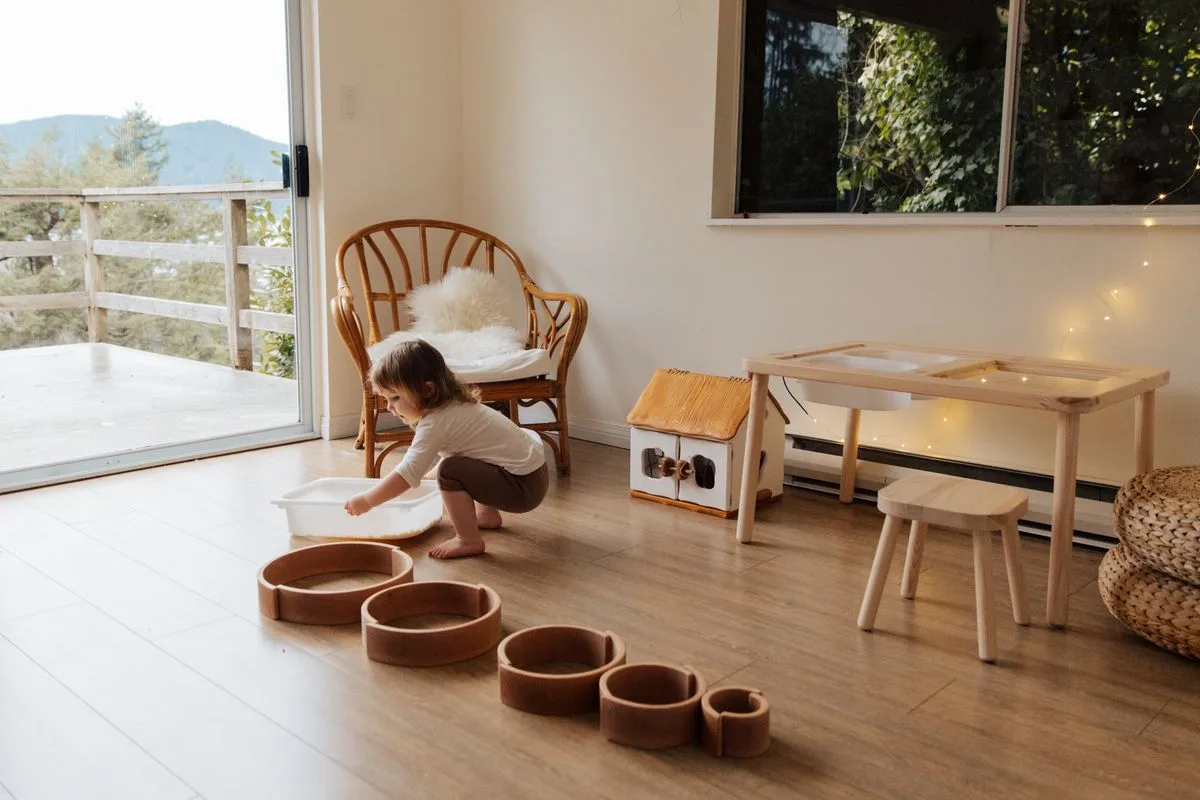
Decide where the tray will be used. A low table beside the sofa may suit a short puzzle; a floor mat may suit chunky construction pieces. Keep the activity away from stairs, doors and anyone still sleeping in the room.
Use a shallow tray or box lid that the child can carry comfortably, or have an adult carry it. It needs room for the activity, not handles, compartments or a themed display. Avoid balancing it on a bed if pieces will fall into bedding or make sitting uncomfortable.
If there is no spare surface, a cloth on the floor can mark the working area. Choose items that will not roll beneath furniture.
Pick one activity with a visible finish
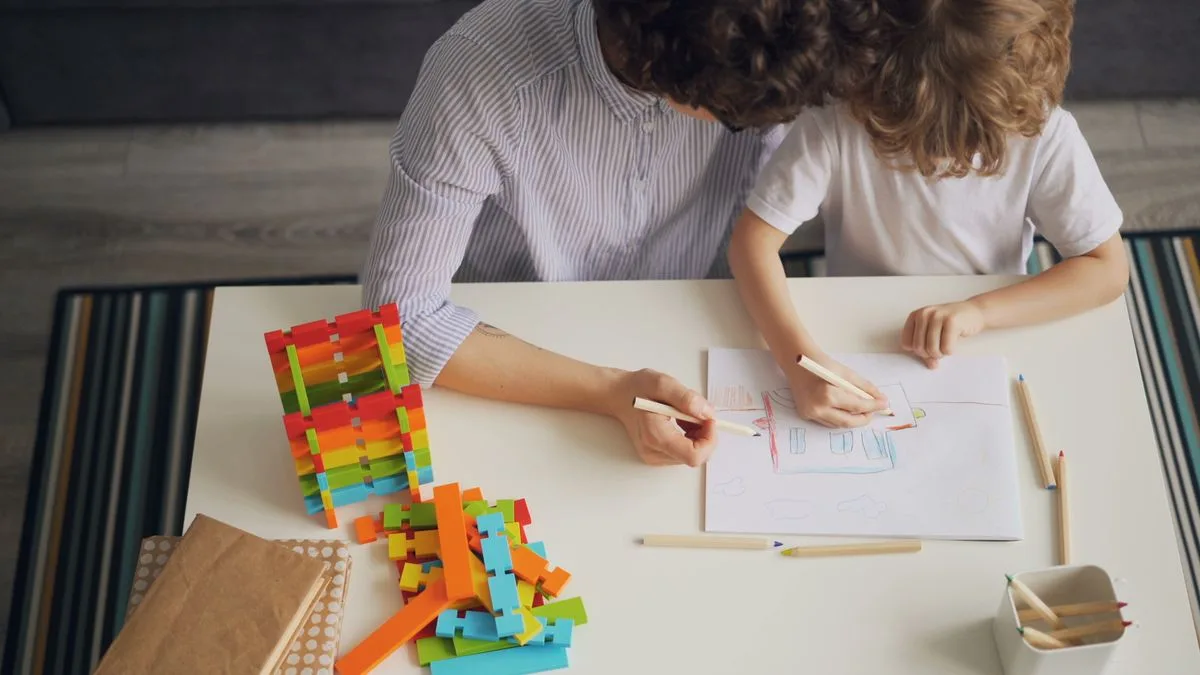
Useful choices include a familiar inset puzzle, several large blocks with a toy animal, or paper and chunky crayons. Match materials to the youngest child who could reach them. Leave small construction pieces and loose craft decorations out when they are unsuitable for that child.
For a puzzle, make sure all pieces are present before putting it on the tray. For drawing, include a small stack of paper rather than one precious sheet. For blocks, choose enough to make something simple without emptying the whole collection.
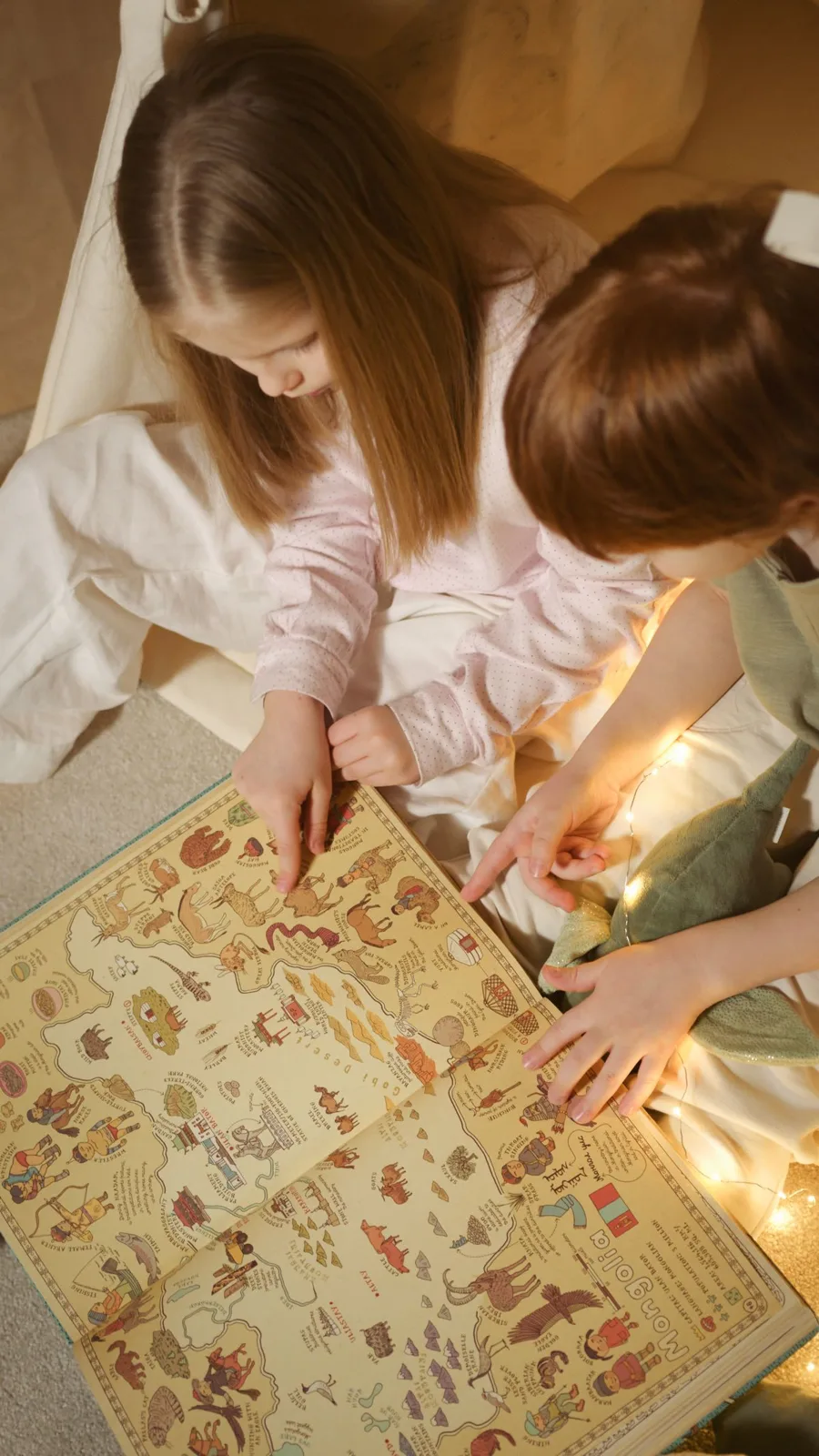
An older child could have a notebook with an unfinished comic or a reusable drawing prompt. Keep it optional; the morning tray is a possibility, not schoolwork assigned before breakfast.
Explain the boundaries the evening before
Show the child where the tray will be and when they can use it. Explain which adult will be available and what to do if they need help. Avoid suggesting they must remain silent or solve every problem alone.
Practise returning the pieces once while everyone is awake and unhurried. The morning routine should not depend on reading a fresh instruction card. A simple picture showing the completed puzzle or packed tray may help a child remember where things go.
Decide whether to share or separate
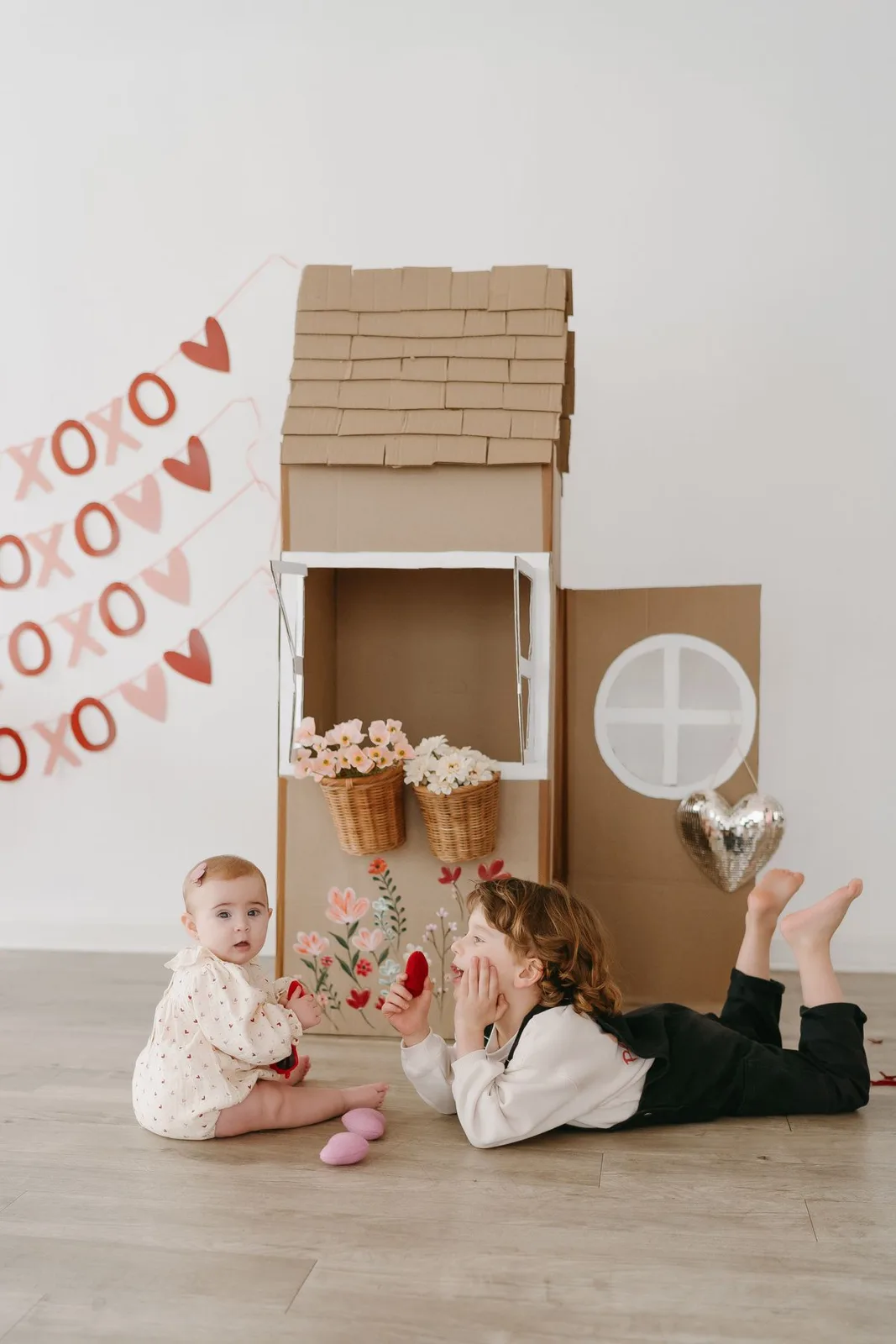
If siblings share the tray, use materials that allow separate contributions or prepare two small places. One scarce favourite item is an unreliable starting point for a quiet morning.
Refresh only when needed
Watch which parts are used over several mornings. If the tray is ignored, the location, timing or activity may not suit the child. Ask about it rather than adding increasingly elaborate surprises.
Swap one activity when interest fades, and return the previous materials to their usual home. After breakfast, reset the tray together if it is still useful. Keeping the arrangement small prevents a helpful morning option becoming another daily preparation project.
Make it work for your family. Keep the useful bits and change the rest.