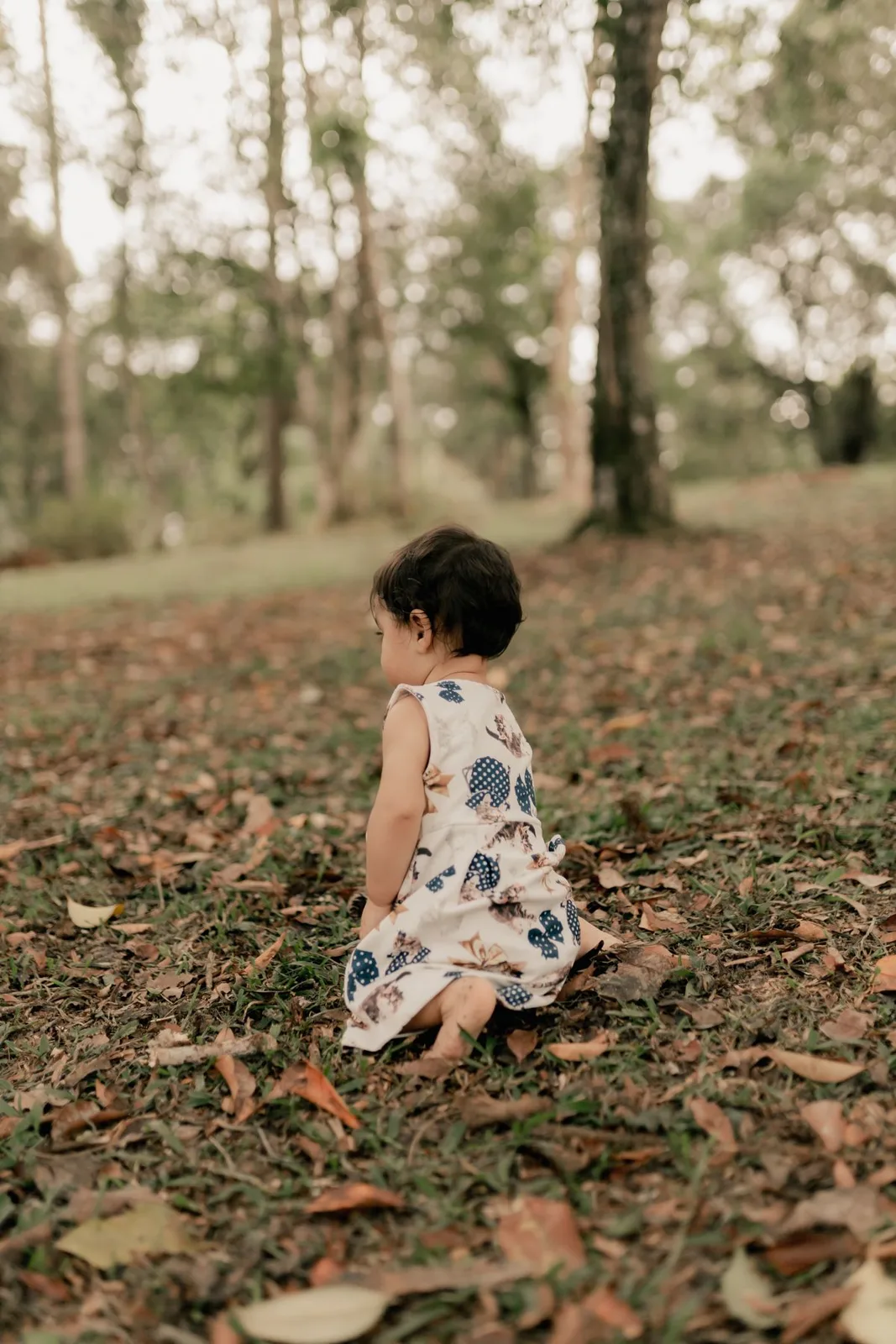
A colour hunt can turn a familiar stretch of pavement or a small garden into somewhere worth looking closely. Instead of searching for particular plants, choose colours and see what appears. Brown might be bark, a seed head or a patch of damp earth; green can look surprisingly different from one leaf to another.
Keep the route short. The activity is in noticing, not covering distance or bringing home a bag of finds.
Make a small colour card
Draw four coloured patches on a piece of paper. Choose colours likely to exist on your route, such as green, brown, yellow and grey. Leave white space beside each patch for an older child to add a sketch or word. A younger child can simply point between the card and the real object.
You can also choose one colour aloud and leave the paper at home. That is useful when pushing a pushchair, carrying other belongings or supporting a child who needs a hand. Avoid a complicated sheet that demands more attention than the place you are visiting.
Agree what counts as a find
Decide whether the hunt is for natural things only or for anything outdoors. A red leaf and a red door belong to different versions of the game. Either is fine, but an agreed scope avoids disputes later.
Use looking as the default. Do not pick plants, reach into hedges or handle unidentified berries and fungi for the activity. You can point, describe or photograph something without touching it. Stay on accessible public routes and keep the hunt paused when crossing roads.
If a colour proves elusive, change it. A grey winter street does not need to produce a purple flower to make the outing worthwhile.
Give the children different looking jobs
A younger child might search for one patch of green at a time. An older child can find three greens and explain how they differ: pale, glossy, dark or speckled. Invite descriptions instead of supplying the correct words immediately.
Try searching at different heights while staying in the same safe spot. What can be seen near the ground, at eye level and above? For a child using a wheelchair or pushchair, select a route with visible details at a comfortable height rather than treating everything overhead as the main attraction.
If one child races ahead, appoint a shared stopping place and compare finds there. Another may prefer quiet observation without questions; the card can work as a private challenge.
Bring the colours back without the objects
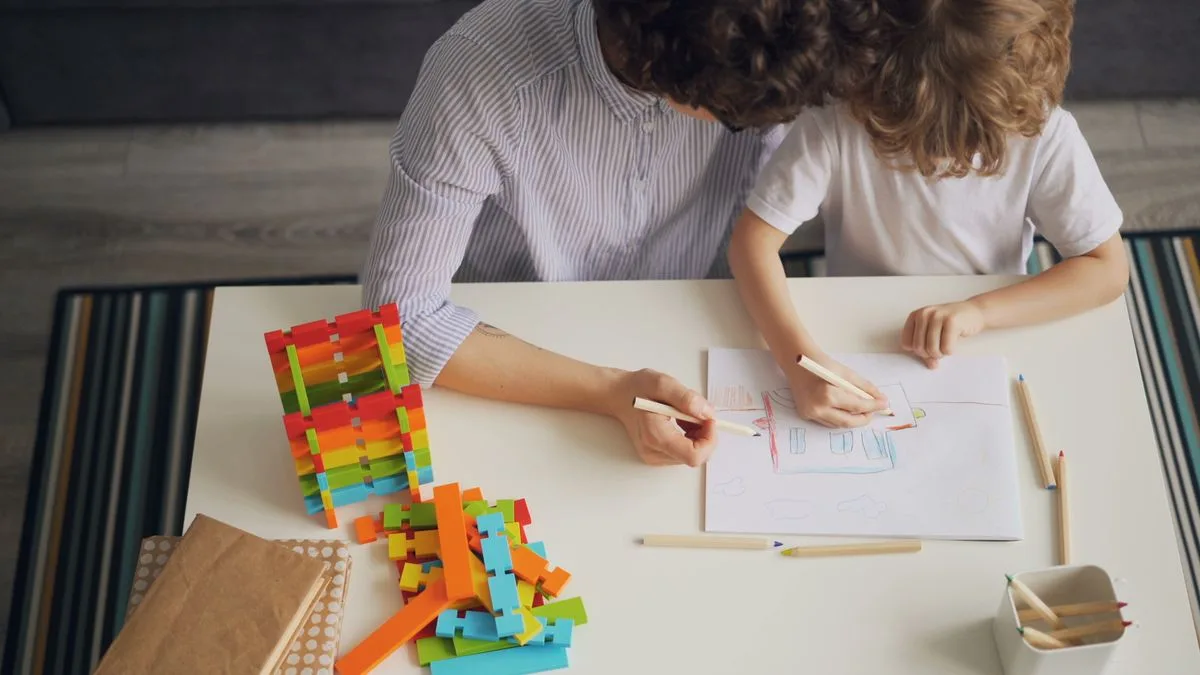
At home, put the card beside crayons or pencils. Children can recreate one colour they remember, draw their favourite find or dictate a sentence. There is no need to make a complete nature journal.
Keep the card for a second walk in a different month if that appeals. Ask what has changed on the same route rather than expecting the same discoveries. A small, repeatable hunt can make everyday surroundings more interesting without requiring equipment, collecting or a special destination.
Make it work for your family. Keep the useful bits and change the rest.