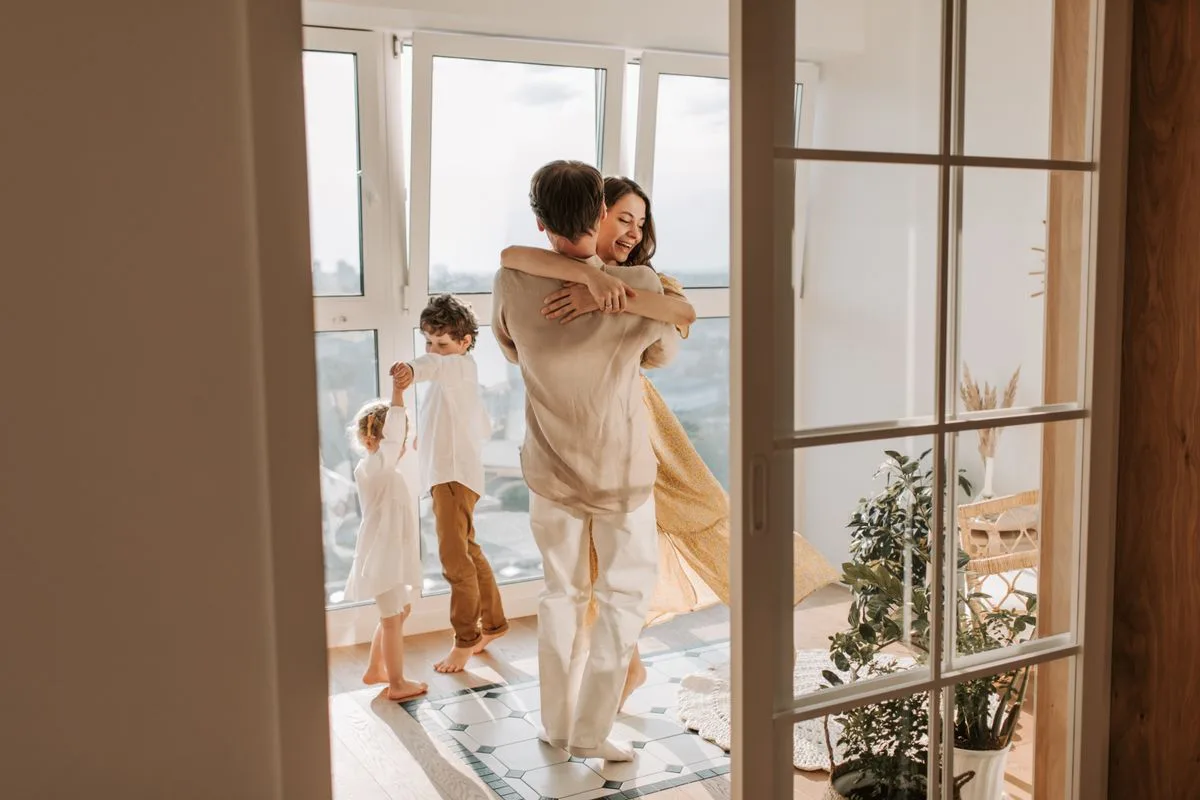
Stop-and-start dancing is easy to begin, but children need a shared understanding of what stopping means. A game where everybody freezes forever or gets eliminated for wobbling can lose its fun quickly. Keep the pauses brief and make restarting part of the rhythm.
Choose music at a comfortable volume and use a clear space. Move loose objects, check the floor and leave enough room between dancers for their chosen movements.
Agree two signals before playing
Decide how the music will start and stop. An adult can control a speaker, or someone can clap a pattern instead of using recorded music. Keep cables and equipment away from the dancing space.
Try the signals once without dancing. When the sound stops, everyone pauses in a comfortable position; when it starts, they move again. Children do not have to balance on one leg or hold an awkward pose. A seated dancer can stop their hands or upper-body movement.
Keep the first pause very short. Increase it only if everybody is enjoying the suspense. There is no need to catch someone out with almost inaudible starts or sudden instructions shouted over the music.
Begin with everyone's own movement
Let children choose how to dance rather than copying a routine immediately. Stepping, swaying, hand movements and facial expressions can all count. The game should not depend on jumping, spinning or covering the room at speed.
Younger children may continue moving after the sound ends. Model the pause and restart without removing them from the game. An older child can choose a movement that stays within their own space, making the boundary visible for everyone.
If the music is overwhelming, use a softer track, lower the volume or switch to a spoken “move” and “pause”. A child can watch for a round and join later. Listening from the edge is a comfortable role for some people.
Add one variation at a time
Once the basic game feels familiar, try a movement theme for one short round: tall shapes, tiny shapes or slow underwater movements. Do not combine several new rules with faster starts and stops. Children need a chance to understand the variation.
Invite each interested child to choose the next theme. If two want to lead, take one round each instead of making them control the same cue. A child who prefers a technical role can operate the music with adult help.
For a cooperative challenge, see whether the whole group can make the same final shape when the music stops. A shared circle of hands at comfortable height is one possibility, but leave personal space and contact preferences respected.
Finish with a deliberate last round
Announce the final track or sequence before it starts. End on a relaxed pose, then return the room to ordinary use. Give children time to notice whether they want a quieter activity next.
Save the favourite song or theme on a short list if you plan to repeat the game. A familiar signal and an inclusive movement choice are more useful than adding a new rule every time.
Make it work for your family. Keep the useful bits and change the rest.