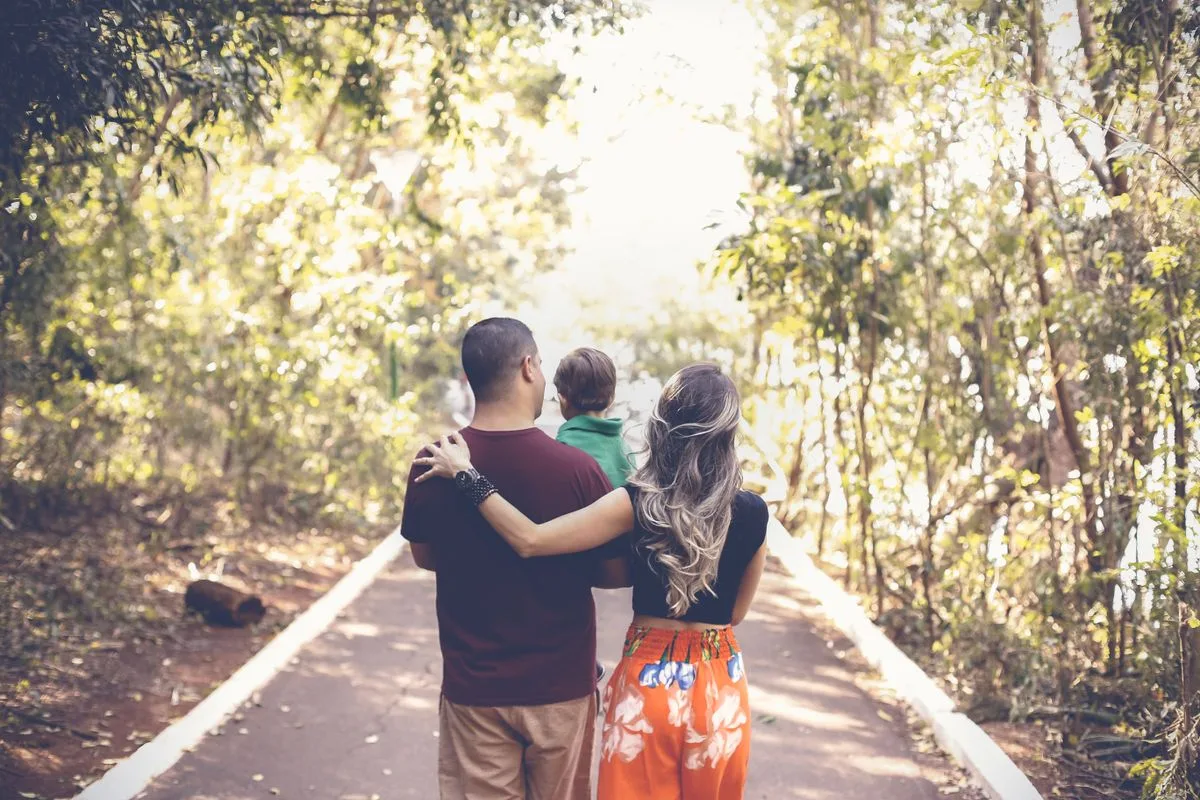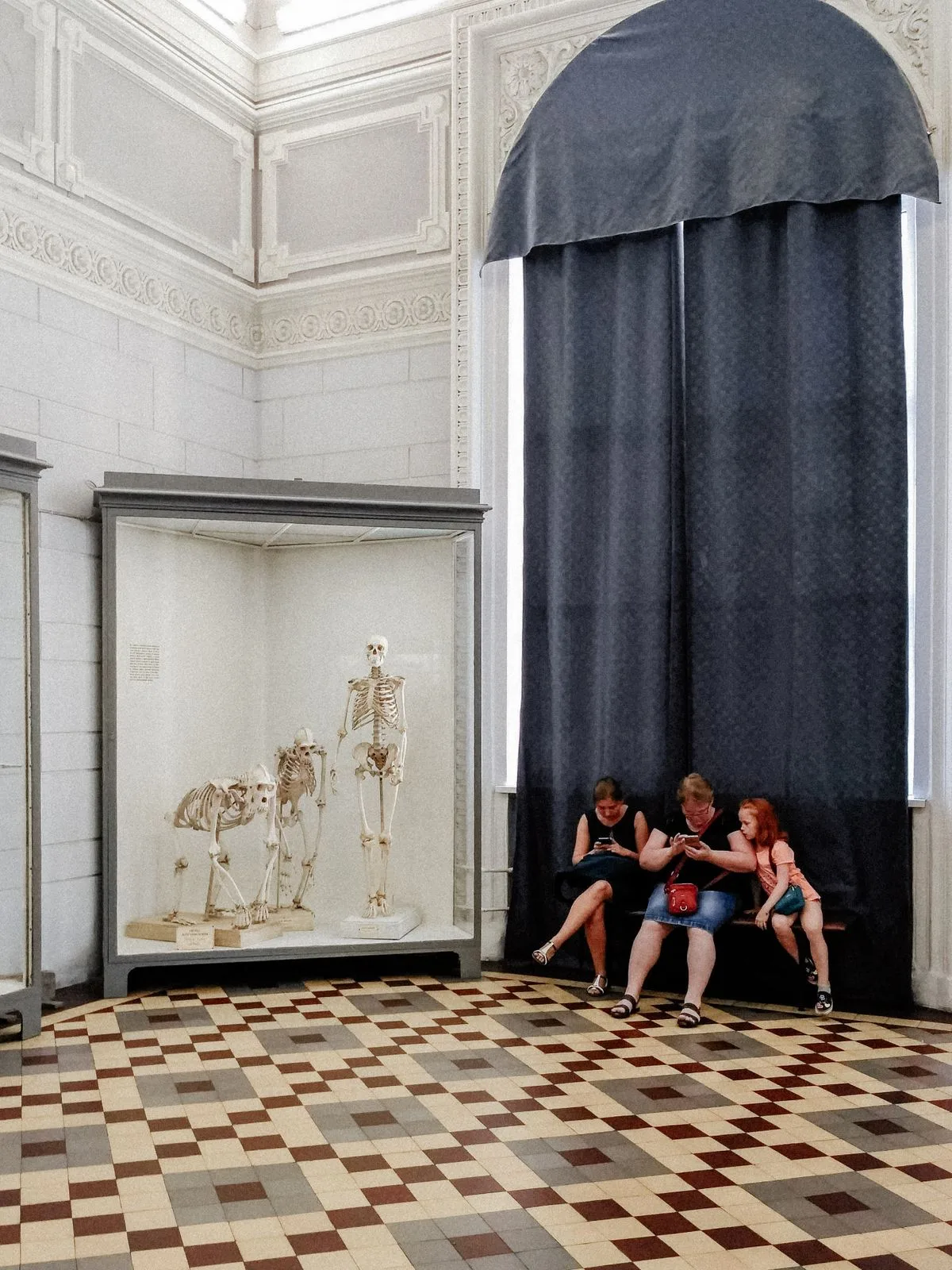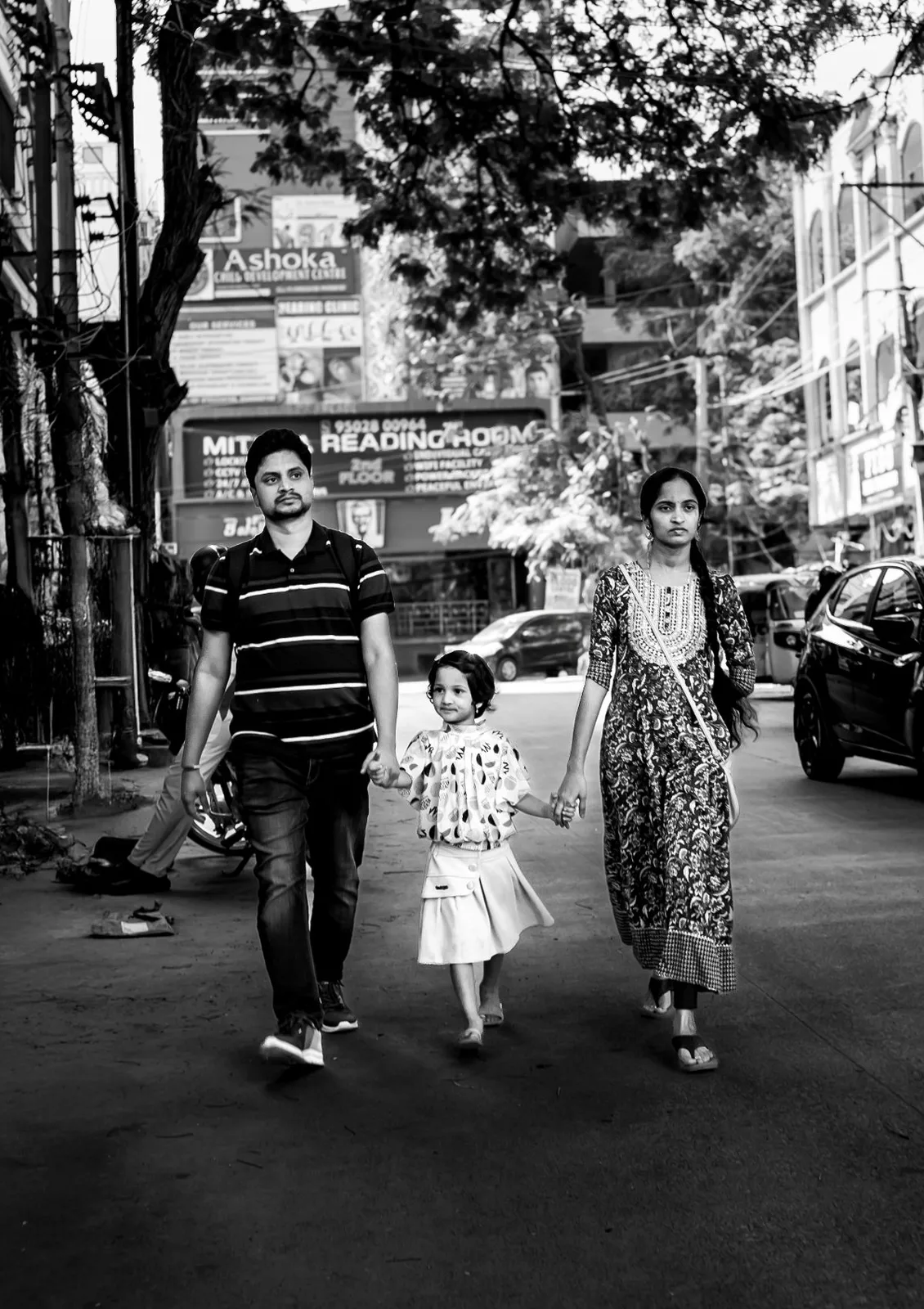
A city stroll can be enjoyable without becoming a tour of every famous sight. Three small stops give the walk a shape: something to look at, somewhere to pause and one detail the children help choose. Keep them close enough that moving between them does not consume the whole outing.
Choose the route for the family walking it, including anyone using a pushchair or mobility aid. Current access matters more than the shortest line on a map.
Start with one easy arrival point
Work out how you will reach the first stop and get home from the last. Check current transport information, station access and any roadworks or closures. A route that finishes far from your transport can create an unexpectedly long return.
Look for appropriate toilets and somewhere to pause, confirming opening arrangements when a facility is essential. Do not assume every shop or café allows visitors to use its facilities without an arrangement.
Explain how the group stays together before leaving the arrival point. Adults should manage road crossings and keep supervision explicit, particularly when two children want to look in different directions.
Give each stop a different purpose
The first might be a public building with an interesting exterior. Look for a carved detail or compare the shapes of its windows. Check whether the space you want to use is public and avoid obstructing doors or queues.
The second can be a suitable bench or permitted open space. A genuine pause is useful even when there is no attraction attached to it. Let children sit, talk or look at the surroundings without another task.
For the third, offer a choice between two nearby features you have checked. A small public artwork or an unusual street sign may be enough. Avoid making a shop the destination unless you are clear about any buying plans.
Notice details between the stops
Invite children to spot repeating patterns, different door handles or building materials. Keep attention on walking and crossing when necessary; a game should pause at every place requiring adult instructions.
Younger children may want to count a few identical windows. Older ones might sketch a simple shape later or ask what an old inscription means. Read what is there accurately, and leave uncertain history as a question to investigate rather than inventing an explanation.
Respect people's privacy when taking pictures. Focus on buildings and details, and avoid recording strangers as part of a family challenge.
Shorten the route without losing the outing
Treat the third stop as optional if time, weather or energy changes. Tell children the next concrete step instead of repeatedly promising that the interesting part is just ahead.
Use the planned way home while there is still room for a slower pace. On the return, ask which detail each person would show a friend. Their answers can help shape another short route, rather than encouraging a longer list of sights next time.
Make it work for your family. Keep the useful bits and change the rest.