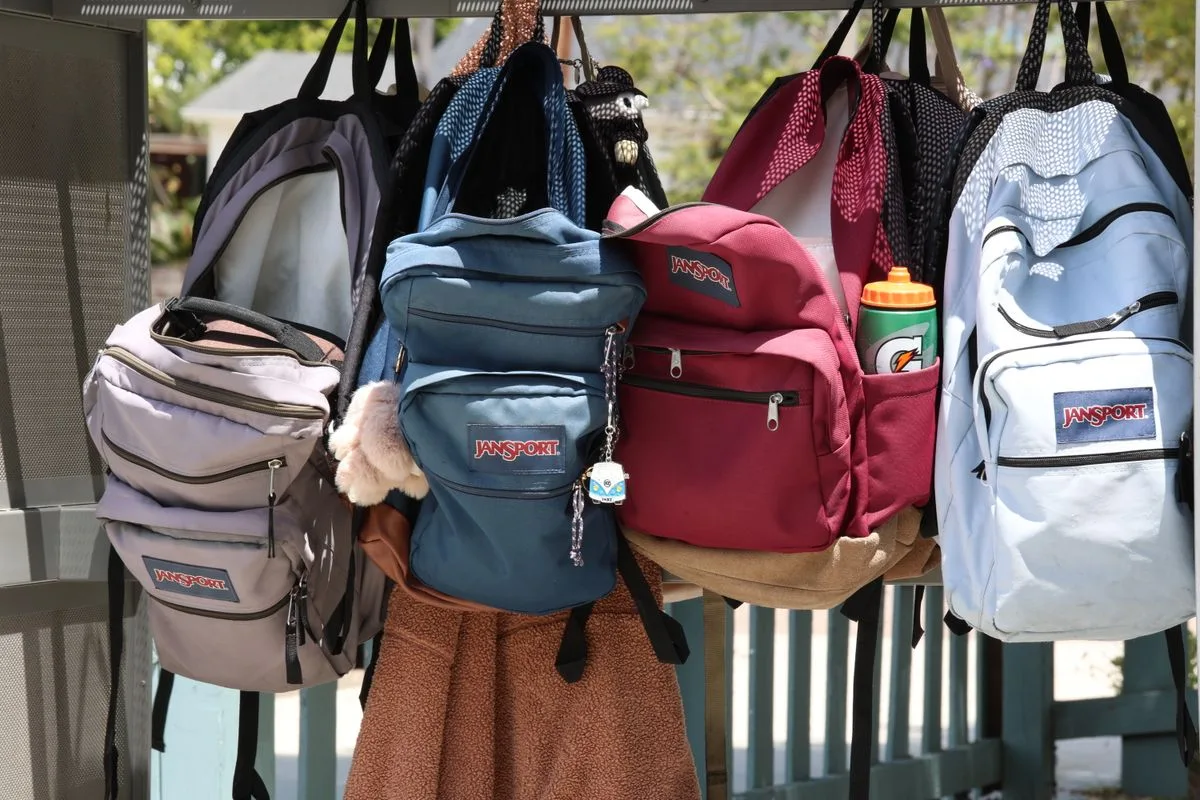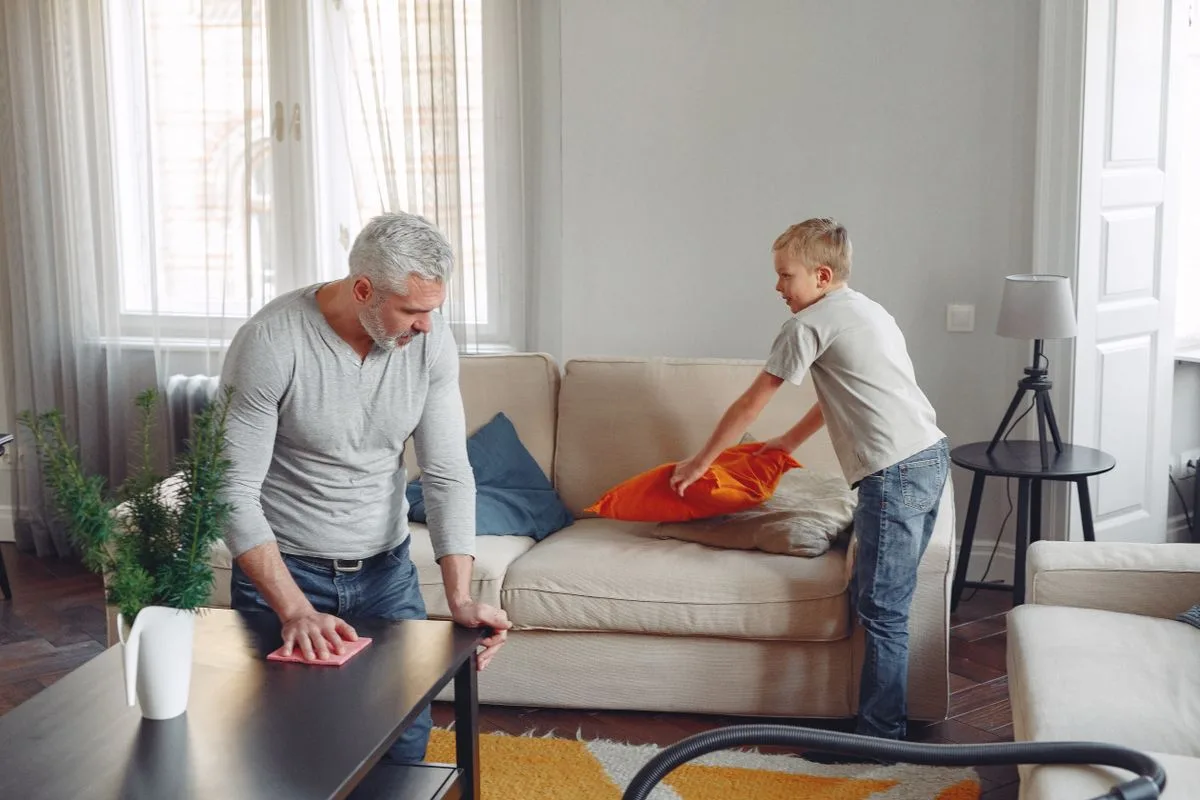
The return to school can look different after a week away from the usual rhythm. A missing water bottle, a changed club day and a child who wants to keep playing can all arrive together. Treat the first week as a gradual return to familiar arrangements, rather than a test of how organised everyone should be.
Start with what must happen on the first morning. The rest can be fitted around the actual timetable once school has resumed.
Check the first day, not the whole term
Read the school's latest message and confirm the return date, start time and any changed arrangements. Find the bag, suitable clothes, shoes and items the school requires. Look inside lunch containers and check that borrowed books have not become part of a holiday den.
Try clothes on if the break has been long. An uncomfortable waistband discovered the evening before is easier to deal with than one discovered at the front door. Set aside what is usable; make a specific note of anything genuinely missing.
Let a younger child choose between two suitable tops. An older child can check their own pencil case against school requirements. Avoid replacing supplies simply to create a fresh start.
Talk through the ordinary bits
Describe the next day's sequence in concrete terms: breakfast, getting dressed, walking with a named adult, then the usual entrance. If something has changed, explain that part separately. A different collection person deserves a clear conversation and the school's required arrangements.
Ask whether there is anything the child wants to know. They may be wondering where a classroom is, rather than feeling generally worried about school. If you cannot answer, say how you will find out. Keep promises specific instead of guaranteeing that everything will be wonderful.
A child who does not want a long conversation may prefer to help pack the bag or look at the calendar. Preparation does not have to become an interview.
Keep afternoons simple and adjust the routine
Keep the first few afternoons relatively simple where you can. Existing commitments may still need to happen, but optional errands can wait. Put an easy meal on the plan and leave time for an ordinary activity at home.
Offer a drink and a familiar place to land before asking for a full account of the day. Some children talk while drawing; others have little to report until much later. A specific question about one part of the day can be easier than asking for a complete summary.
If siblings return on different days, explain which child's timetable applies. A picture or written note on the calendar can prevent repeated disappointment about who is at home.
After two or three days, check the sticking point. If mornings run late because socks are difficult to find, change the sock storage rather than adding five new rules. If the bag is heavy, check its contents against what the school actually asks for.
Keep a small place for new letters and add confirmed dates to the household calendar. At the weekend, remove temporary reminders that have done their job. The first week has served its purpose when the next school morning feels recognisable, even if a few details still need adult help.
Make it work for your family. Keep the useful bits and change the rest.