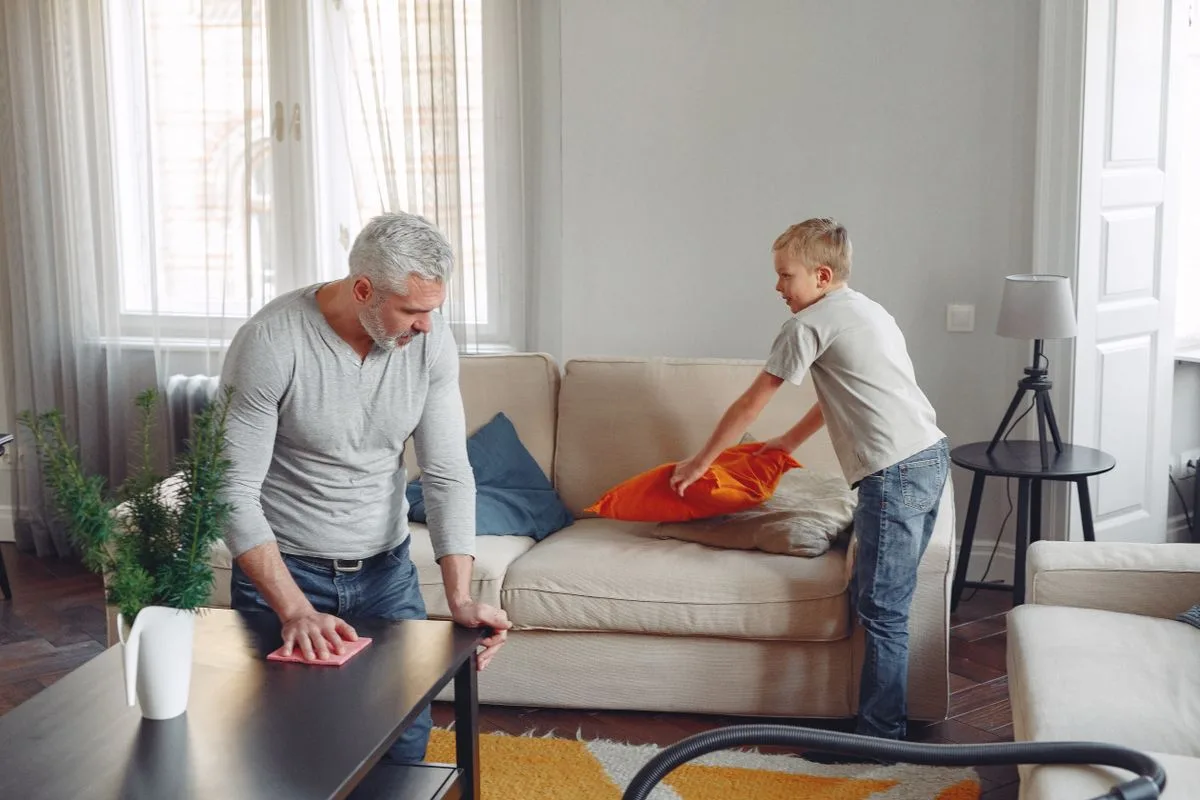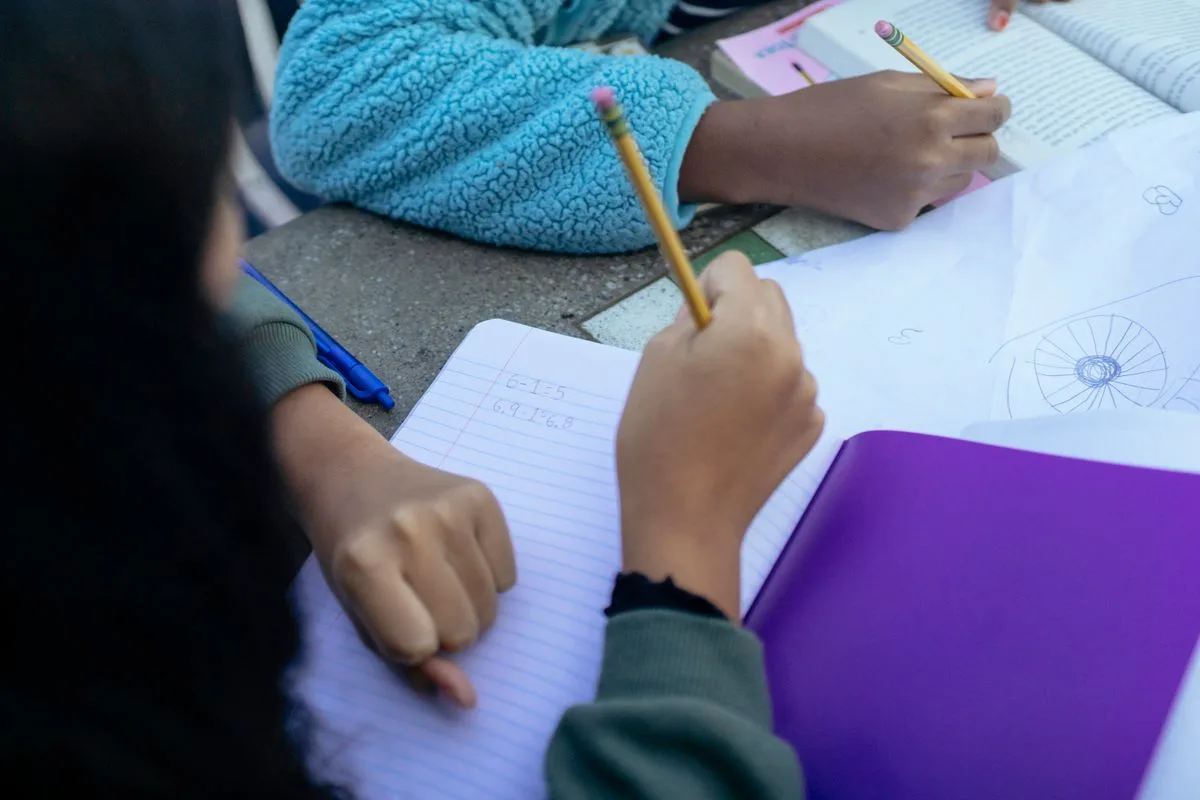
A dining table can support homework without becoming a permanent school desk. The practical problem is managing the change between uses: clearing enough space, finding the needed materials and moving work safely when the meal arrives.
Start with the assignment and the child's needs rather than buying desk accessories. A small, repeatable set-up is often easier to maintain in a shared room.
Reserve a realistic working window
Look at when the table is available and when an adult can offer the support the child needs. Agree a start and an approximate finish, leaving time to clear before dinner. Avoid planning a long uninterrupted session in a room that is always busy then.
Explain any limits before work begins. If the table will be needed in twenty minutes, choose a manageable part of the task or use another suitable surface. Do not promise quiet that the household cannot provide.
For siblings, check whether they can work comfortably together. Separate sessions may be easier than expecting one child to stay silent while another reads aloud.
Clear a useful patch
Move food, drinks and loose household papers away from the working area. Give the child enough room for the book, their arms and any required equipment. Check lighting without placing trailing cables across the room.
Use a chair and table position that allows the child to sit comfortably. If the arrangement is awkward, discuss a better option rather than asking them to tolerate it for the sake of a tidy system. Keep essential materials within reach so repeated fetching does not interrupt the task.
A plain mat can mark the homework space if that helps. It does not need to be bought specifically; the important feature is a clear boundary on a busy table.
Keep a small homework kit
Put frequently needed pencils, an eraser and a ruler in a portable container. Include only materials suitable for the child's age and actual assignments. Scissors or other tools can be added with adult support when needed.
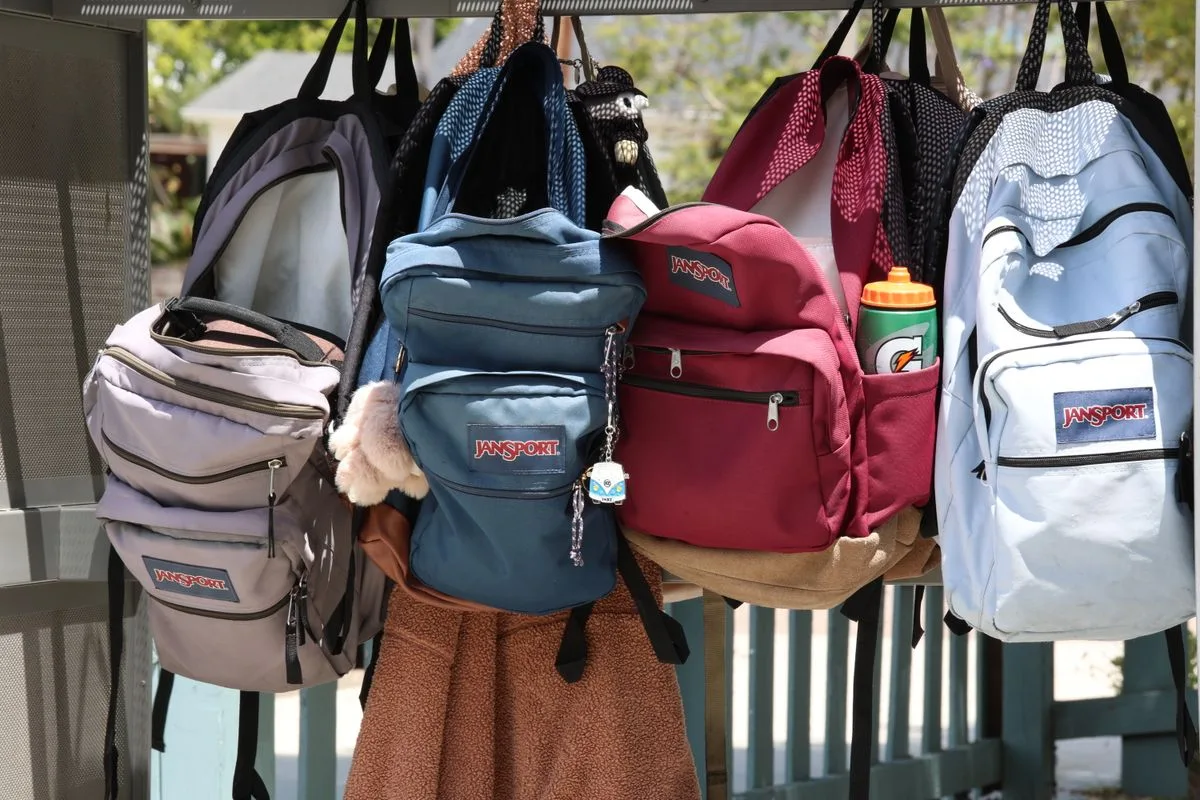
Return the kit to one accessible place after use. Replacing a missing pencil before the next session is easier than emptying several drawers during it. School equipment that must travel should go back into the school bag, rather than disappearing into the home kit.
Plan any required device use
Keep devices out unless the task needs them. If school asks for online work, follow its access instructions and manage the shared device's next use as part of the time window.
Protect work before clearing
Use a folder or flat tray for unfinished sheets. Write down the next step if stopping halfway would make restarting difficult. A child can check that their name and any required date are present before putting the work away.
Pack completed work according to the school's instructions, then return the table to its next use. If the arrangement repeatedly causes problems, ask the child which part is hardest and discuss homework expectations with school where needed. The dining table should make a suitable task possible without taking over the household's whole evening.
Make it work for your family. Keep the useful bits and change the rest.