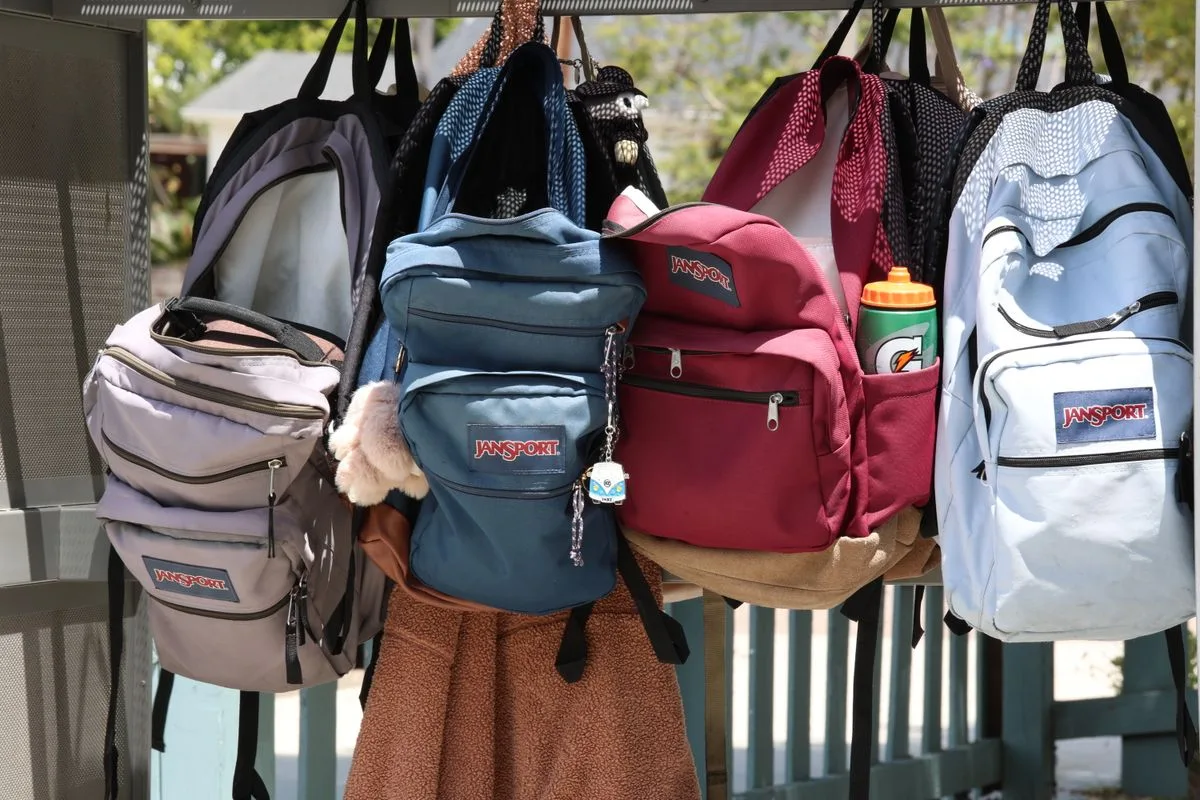
A leaving-the-house checklist is most useful when it reflects one real journey. School, a park visit and an overnight stay do not need the same things. Start with the departure that repeatedly causes a hunt, then make a short list together.
The child can help notice and prepare belongings. Adults still handle transport, permissions, keys and other essential arrangements that are not a child's responsibility.
Walk through the departure once
At an unhurried time, ask what happens before leaving. Look at the bag, shoes and ordinary travelling items together. Write down the things that are genuinely needed, then remove anything that belongs to a different trip.
Choose three or four core reminders. A longer list may hide the important steps, particularly for a young child. Use names the household actually says rather than formal labels that need explaining.
Include an action when that is clearer than an object. “Bottle in bag” tells the child more than “bottle”, which might still be sitting on the kitchen counter after being ticked off.
Match the format to the child
A non-reader may use drawings or photographs of their own belongings. Check that each image is recognisable without your explanation. An older child can write a compact list and decide the order that makes sense to them.
Put the reminder where packing or dressing happens, at a comfortable viewing height. A checklist behind a cupboard door may be private but unhelpful if nobody opens that cupboard before leaving. A small portable card can work when the routine moves between homes.
Choose a simple way to show progress, such as pointing to each item or turning over a large card. Small magnets, pins and loose counters are unsuitable for some children and are not necessary.
Give occasional extras a separate place
Keep the regular list stable and add a temporary reminder for an unusual requirement, such as a library return or something requested by school. Check the actual message before adding it.
An adult can prepare items that require adult handling. Avoid making a child responsible for checking medication, travel documents or changing collection arrangements because they appear on a shared list.
When a departure is rushed, work through the list together rather than asking repeated broad questions. Point to one step, complete it, then move on. If a missing item causes a delay, note where it should live afterwards.
Test on an ordinary outing
Use the checklist for a short familiar trip and notice where it helps. Does the picture mean the right thing? Is an item always already packed? Is something essential missing from the sequence?
Revise one part rather than rebuilding the whole system after a difficult day. A child who forgets to look at the card may need an adult prompt or a better location, not another list.
After a few uses, keep only the reminders that earn their space. The goal is a departure with fewer searches and clearer shared steps, while the adult remains responsible for the plan.
Make it work for your family. Keep the useful bits and change the rest.