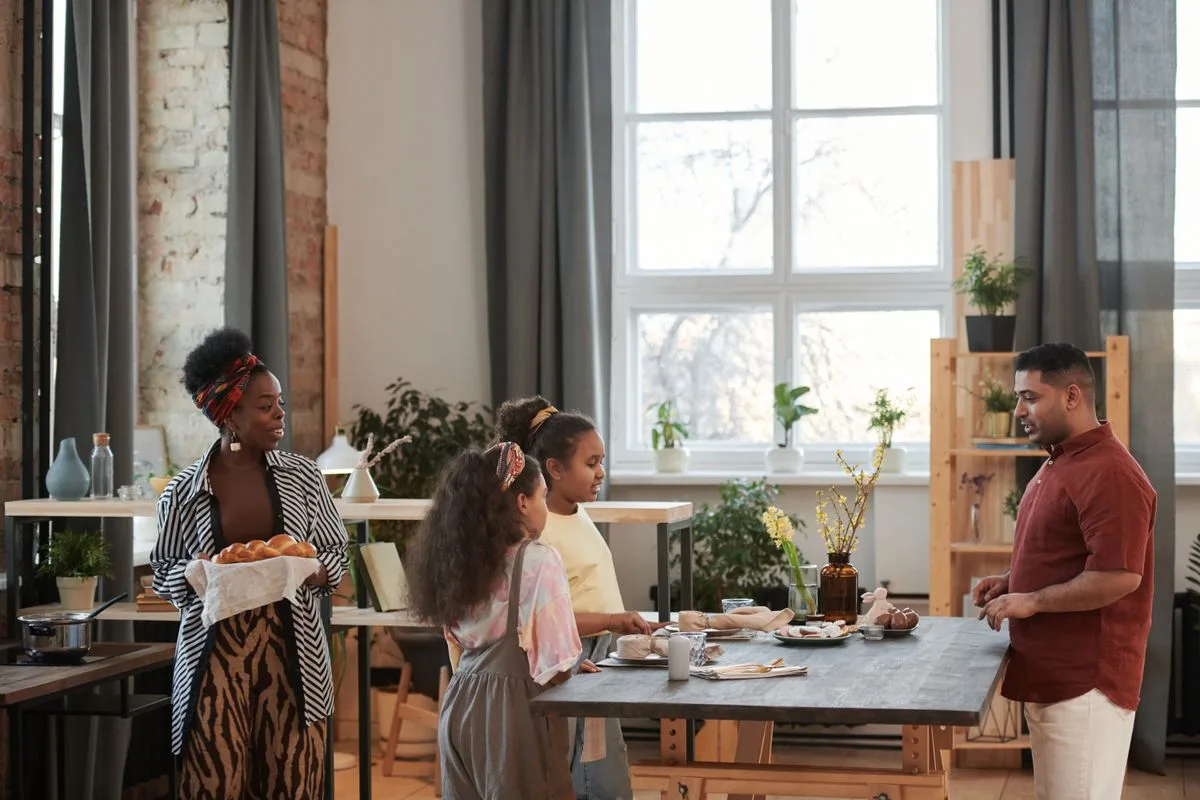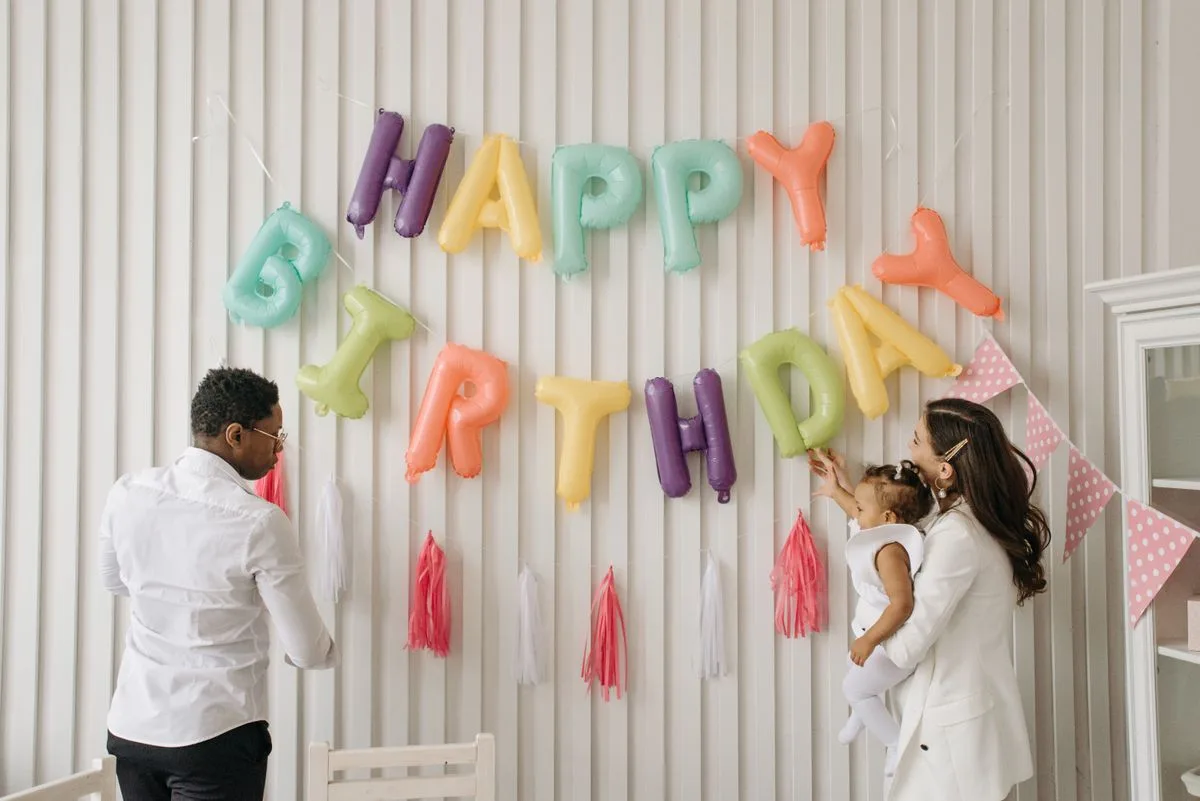
A birthday plan can exist in fragments: decorations in one adult's shopping basket, a guest list on another phone and a cake idea mentioned over breakfast. Bringing the pieces together helps reveal what has actually been agreed.
Use one page as the current plan. It should make the day understandable and the preparation manageable, whether one adult is organising everything or several people are contributing.
Write the decisions before the shopping list
Start with the date, place, approximate length, budget and main activity. Confirm any booking before treating it as settled.
Ask the child what matters most to them. A younger child may choose between painting and a garden game. An older child might prefer a small gathering with one particular activity rather than a larger party.
Distinguish requests from promises. Write “possible cake idea” until someone has checked the time, ingredients or ordering arrangements. This prevents an enthusiastic conversation becoming an unspoken commitment.
Build the plan around the main activity
Work out what children will actually do and what it needs: space, materials, adult help and a practical finish. For a bookmark activity, that could mean paper strips, drawing supplies and a flat place for finished work.
Keep the remaining schedule loose. Arrival, activity, food and goodbye may be enough. Too many short games can leave adults continually setting up while children are still enjoying the previous one.
Check the venue's rules or the host household's limits. Do not assume an activity suitable outdoors will work in a crowded room if the weather changes.
Give preparation jobs a complete owner
List invitations, replies, food, materials and clearing away. Beside each, write the responsible adult and a date when the next action needs doing.
Owning a task includes following through. The person managing invitations needs to send them, track responses and pass on relevant information. Another adult should not have to discover the missing middle step.
If you are organising alone, put tasks in sequence and remove extras that exceed the time available. A clear plan can help you choose a smaller party before preparation becomes stressful.
Keep receipts or booking confirmations in one accessible place. Update the plan when a decision changes, rather than leaving contradictory notes in separate messages.
Check the day from a guest's point of view
Confirm the address, arrival time, finish time and whether accompanying adults stay. Ask guests for information you actually need for the arrangements, and keep personal details with the adult handling them.
Plan where coats, gifts and completed activities will go. A labelled bag or tray can prevent belongings being gathered in a rush at the door.
Name the clearing-away jobs too: food stored, rubbish sorted and borrowed items returned. Leave some adult time after guests depart rather than expecting the room to reset itself.
Before the birthday, read the page together once. The useful outcome is agreement about the actual day, including which appealing extras you have chosen to leave for another occasion.
Make it work for your family. Keep the useful bits and change the rest.