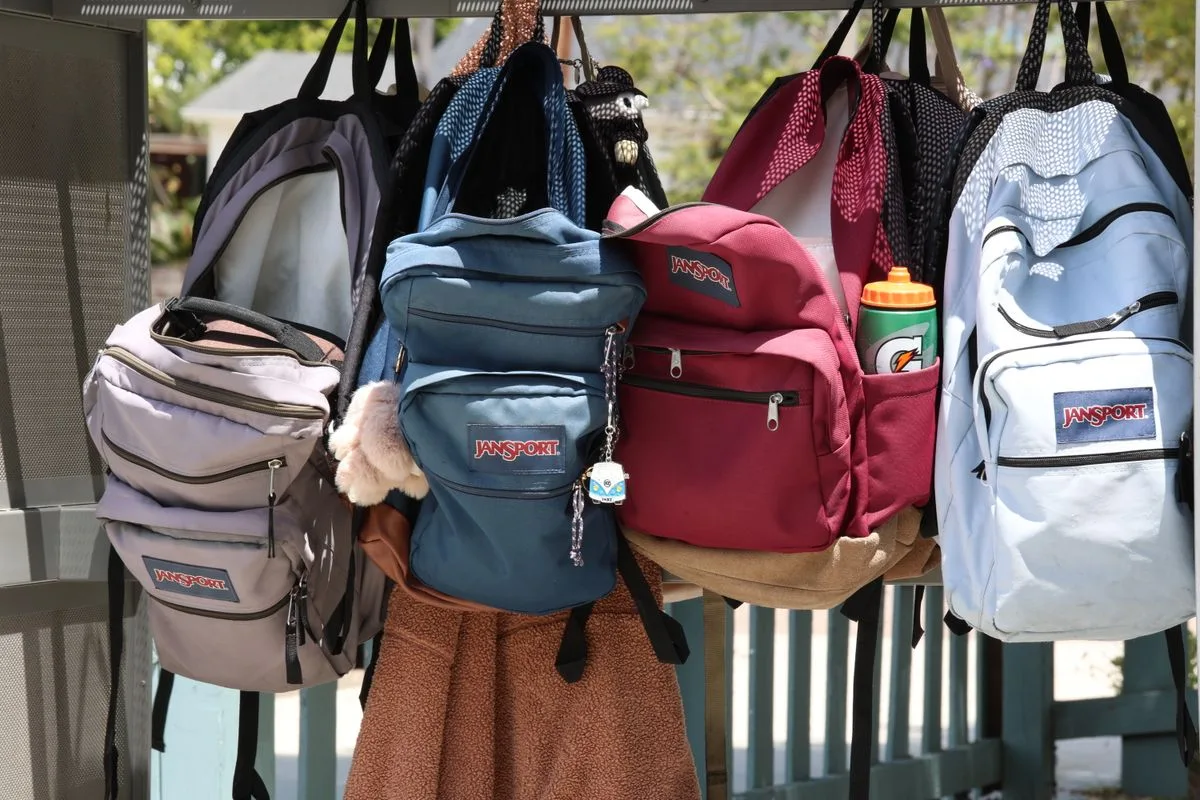
School information may arrive in a bag, an app and an email inbox on the same day. One place for letters does not have to mean printing every message. It means having a consistent way to capture papers and turn the important parts into actions.
Choose the system adults will actually check. A simple folder beside an existing calendar can be more reliable than a complicated arrangement nobody opens.
Give incoming paper one destination
Use a shallow tray, a folder or a large envelope. Place it where school bags are unpacked, but keep personal information out of visitors' view. If the hallway is shared, a closed folder inside a cupboard may work better than an open tray.
Show children which papers belong there. They can place a letter in the folder without being responsible for interpreting it. Check younger children's bags together, especially when school has said a form is coming home.
Keep incoming papers separate from signed forms ready to return. Two clearly named sections are enough; avoid creating categories for every kind of notice before you know they are needed.
Read for the action, date and owner
When checking a letter, identify three things: what needs doing, by when and which adult will handle it. A trip form may require a signed original, while a date notice may only need adding to the calendar.
Put dates and deadlines into the household's agreed calendar as you read, including enough detail to act later. “School form due” is less useful than a note naming the event and where the paper is stored. Do not rely on a photograph of a form when school requires the actual signed copy.
For digital messages, use the same action process without unnecessary printing. Save or flag the message in the service you already use, then add the deadline to the calendar. Check the school's own channel if information seems incomplete or contradictory.
Keep returning and retaining separate
Place completed forms in a return section, then transfer them to the school bag at the appropriate time. Tell the child what is going back, while following any submission instructions from school. An adult should check especially important returns rather than assuming the folder has emptied itself.
Keep reference notices only while they are useful. A term timetable belongs somewhere accessible; an old reminder for a finished event may not need permanent storage. Shred or securely dispose of papers containing sensitive details according to your household's needs.
If several adults share care, agree who checks incoming information and how they tell others about completed actions. Otherwise, the same letter can be repeatedly read while the actual form remains unsigned.
Set a brief regular checking point that fits your week, and check sooner when a deadline is expected. At the end of term, remove obsolete notices and keep only current references. The folder's job is to make action visible, not to become an archive of everything the school has ever sent.
Make it work for your family. Keep the useful bits and change the rest.