The difficult part of a waiting room is often the uncertain length of the pause. A child may finish a favourite activity before their name is called, or be interrupted just as they begin. A useful activity bag contains things that can stop at any point and return to the bag quickly.
Choose quiet, compact materials you already own. The bag is there to offer options, not to guarantee that every wait will be effortless.
Fit the bag to the actual space
Use a small washable pouch or tote that fits inside the bag you normally carry. Waiting rooms may have little floor space, so aim for activities that work on a lap or a single chair. Check any venue rules before bringing food or materials that could make a mess.
Leave noisy toys, rolling balls and large collections at home. Avoid tiny loose pieces, particularly when younger children are present. Adults should choose materials suited to the child's age and supervise their use.
Keep appointment papers and essential personal items separate. You should be able to find a document without emptying crayons across the floor.
Pack two different kinds of occupation
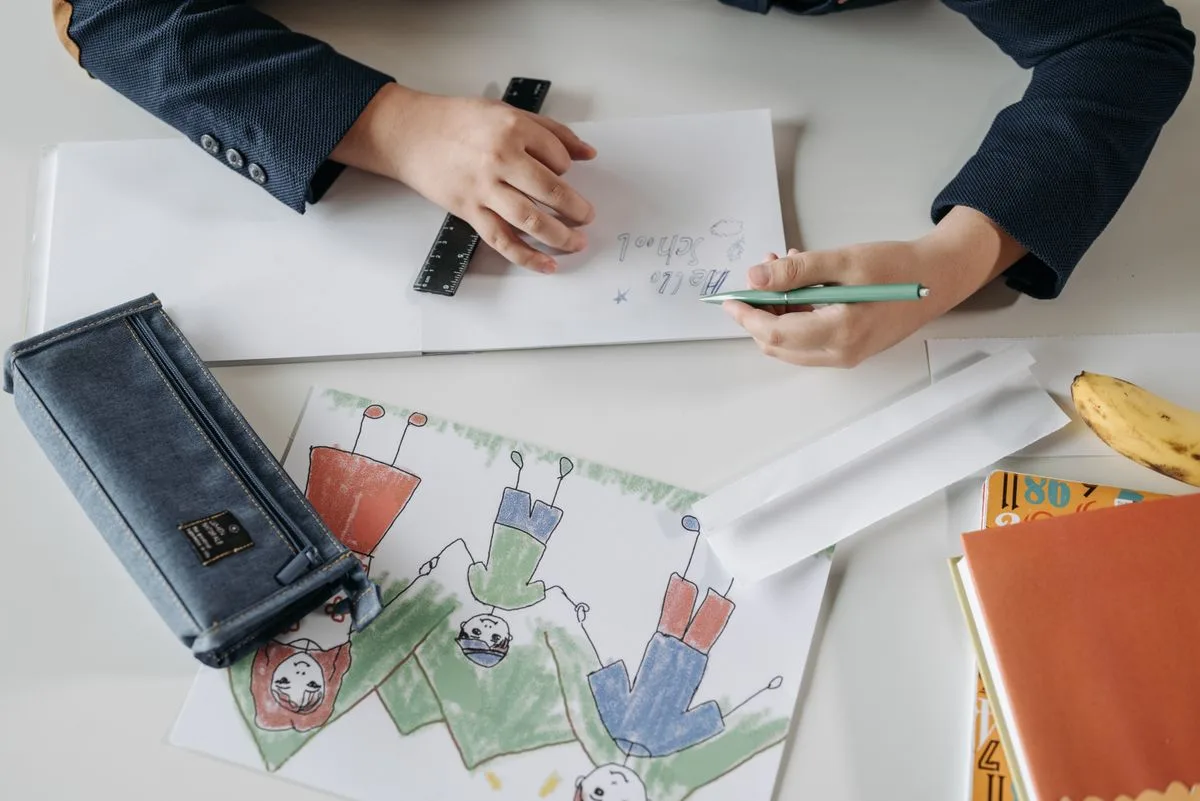
One activity can involve hands: a small notebook with a few crayons, a reusable drawing board or a simple book with sturdy pages. The other can involve looking or talking, such as a familiar picture book.
For younger children, a book they know may allow pointing to favourite details without needing the whole story. An older child might enjoy drawing a made-up room, inventing a shop sign or writing three clues for an object you can both see.
Keep the quantity modest. Six crayons in a shallow case are easier to manage than a full art set. If a child needs particular familiar materials, prioritise those over novelty.
Use the room without disturbing others
Offer a quiet observation game that does not involve commenting on people: find something round, spot two matching colours, or count the corners of a poster. Keep movement within the space the venue allows and follow staff instructions.
An adult can begin a spoken story with a deliberately small choice: “Should the dog find a red door or a blue door?” Let the child add the next detail. There is no need to finish if the appointment begins.
If the child does not want an activity, let the pouch remain available. Repeatedly offering a different item can become more demanding than the wait itself.
Practise a quick pause
Before you go, show where unfinished drawings will sit and how the pouch closes. Explain that a staff member may call you while you are using something. A notebook can close on the current page; the story can continue later.
When the wait ends, give one clear job: “Put the crayons in the case while I collect the papers.” Check the seat and floor before leaving.
At home, replace missing materials and remove scraps. Refresh one activity occasionally if it has stopped being useful. Keeping the bag ready should take a moment, not become a separate weekly packing project.
Make it work for your family. Keep the useful bits and change the rest.