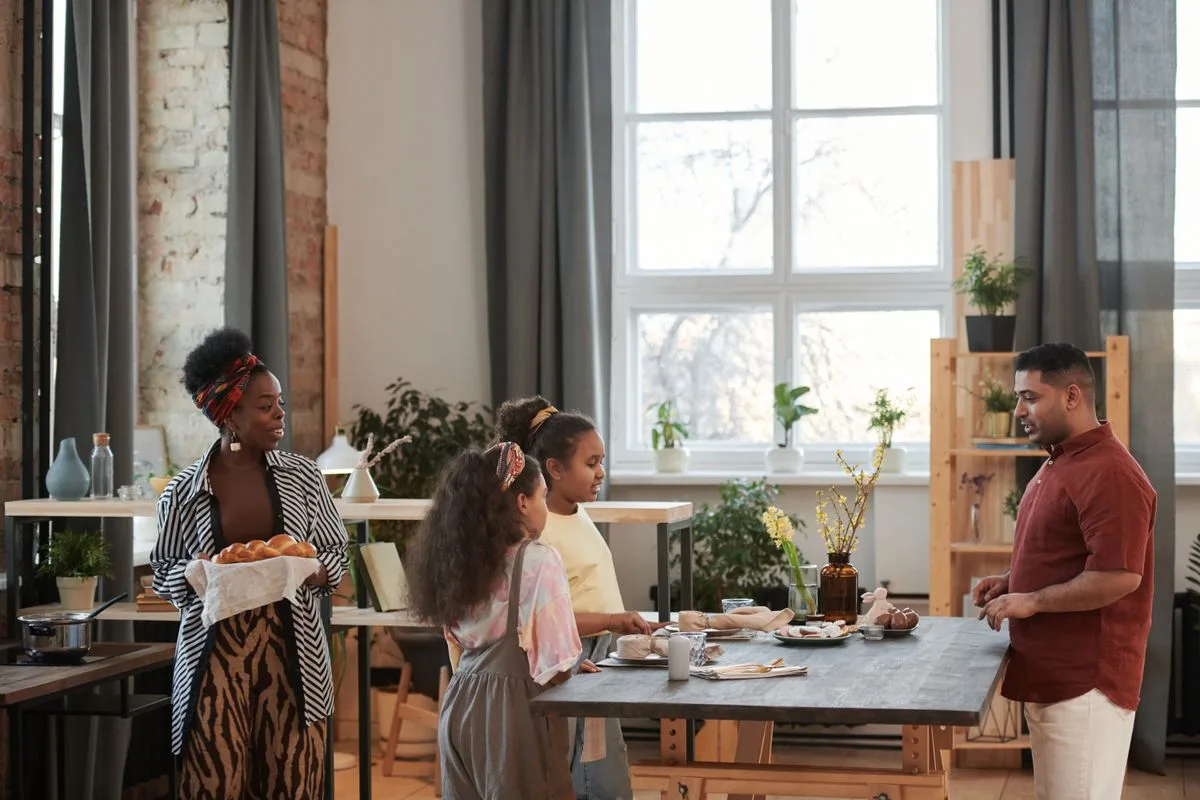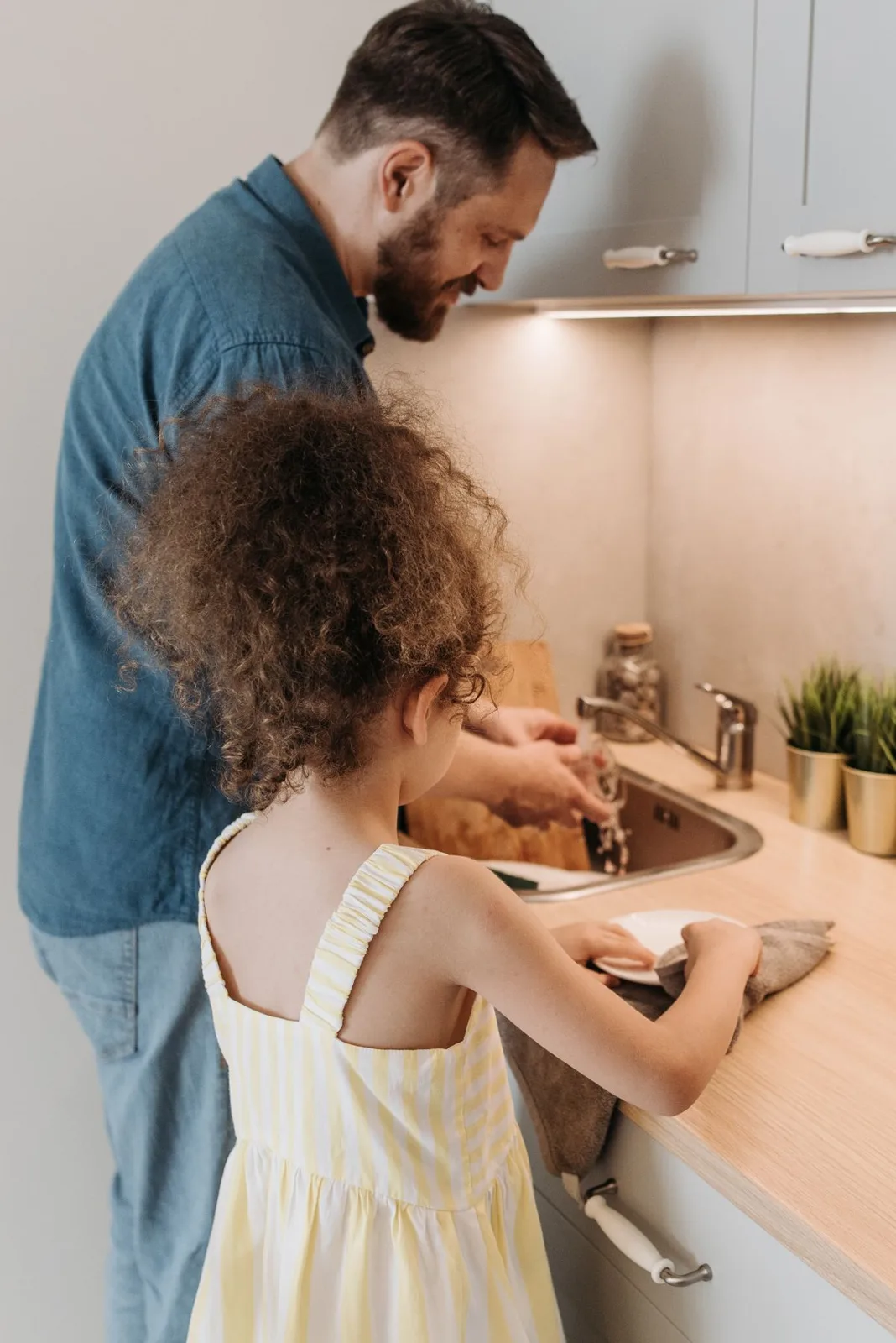
Grandparents can join family routines in many ways: reading after school, sharing a regular walk or being the adult who knows where the spare gloves live. Their involvement does not have to become a large childcare commitment to be valuable.
Start with what the grandparent wants and can realistically offer. Distance, work, energy and other responsibilities all affect what fits. An occasional enjoyable visit is a sound arrangement when a weekly one would be difficult.
Offer one specific way to join
Replace “Come round whenever you like” with a concrete invitation: “Would you like to read with us after lunch on Sunday?” That makes the activity and its boundaries easier to understand.
For a grandparent who wants to help regularly, discuss a manageable task from beginning to end. Collecting a child includes reaching the right entrance, knowing who to contact and agreeing where they will go afterwards.
Ask rather than assigning a role by habit. Make space for “That day is difficult” or “I would prefer you to stay too”. The answer helps shape an arrangement everyone can rely on.
Explain the routine through useful details
Describe the few things the child expects: a snack before the walk, a favourite book at bedtime or shoes coming off near the door. Include practical information such as where coats, cups and spare clothes belong.
For a younger child, show the grandparent a routine once together. A short demonstration can be easier to follow than a long written description. For an older child, invite them to show how they organise their own belongings.
Share current instructions that affect the visit directly. Do not rely on a child to relay changes to collection, food or other care arrangements. Keep any necessary private information in a place intended for the adult concerned.
Leave room for a different relationship
A grandparent may tell a story differently, choose another book or take more time over a small job. If the essential arrangements are understood, variation can become part of what children enjoy.
Avoid standing nearby correcting every harmless difference. If something needs discussion, speak to the adult privately and describe the specific issue. “Please leave the school bag here so we can find it tomorrow” is clearer than “You always disrupt our routine”.
Grandparents can also introduce something they enjoy, such as looking at old maps or caring for a plant. Keep the invitation open enough for children to decline or change direction.
Make the end of the visit predictable
Say when the activity will finish and who is taking over next. A young child may appreciate a familiar goodbye, while an older child can help pack away the game or put the books back.
Check how the arrangement felt for both adult and child. Ask concrete questions: Was the journey comfortable? Was there enough time? Would a shorter visit work better?
For grandparents who live farther away, a brief regular call with one purpose can help: sharing a drawing or reading a familiar page together. Keep expectations modest and adjust when attention wanders.
The useful routine is one people can repeat willingly, with enough clarity to feel comfortable and enough flexibility to remain a relationship.
Make it work for your family. Keep the useful bits and change the rest.