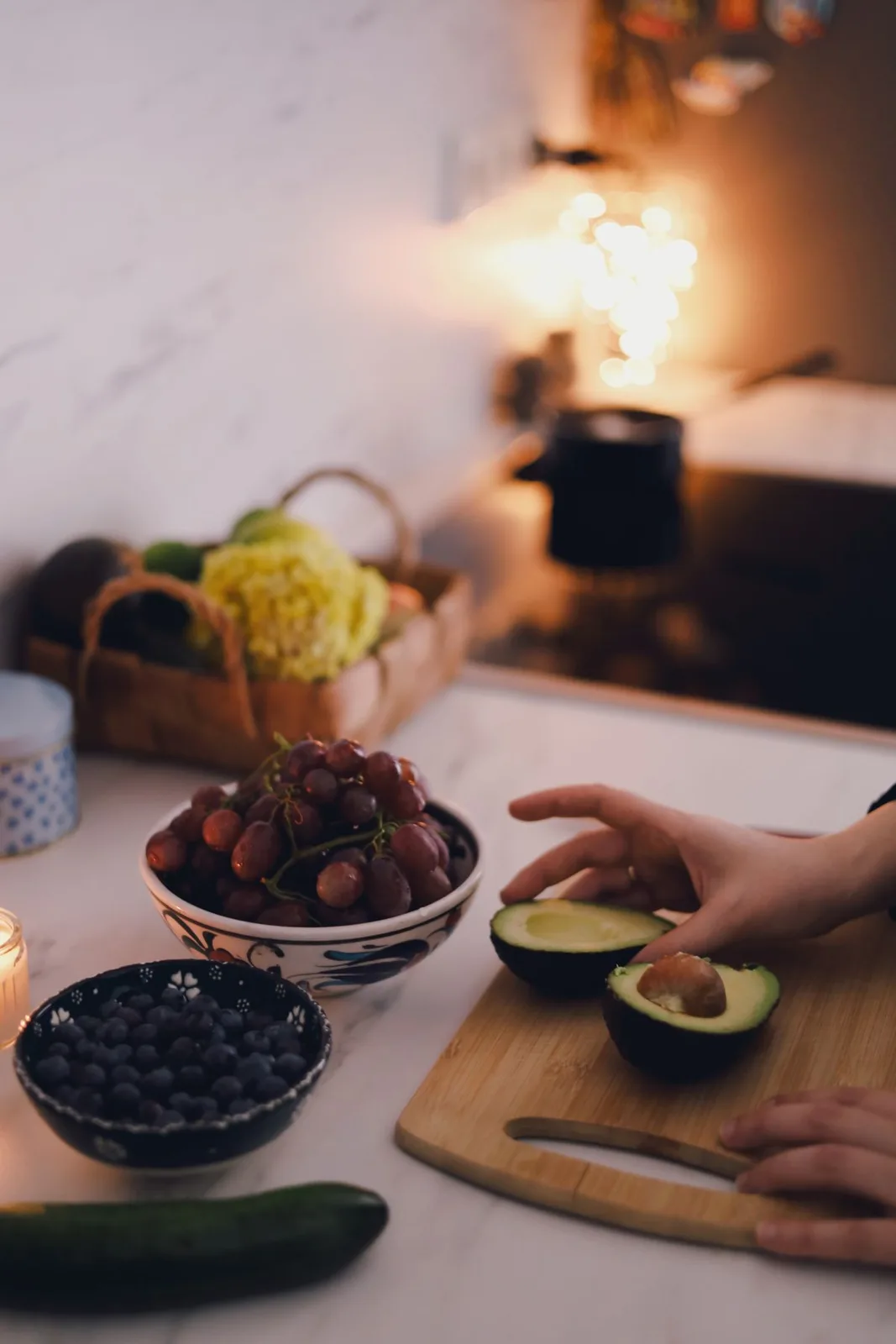
An after-school snack station is a place for the planned snack, not an extra cupboard children must navigate. It can be one basket, a shelf section or a spot on the counter where an adult puts out the afternoon's choices.
Build it around what your household already eats and any individual food requirements. Children should not have to guess which items are suitable or whether something is reserved for another meal.
Choose the location around supervision
A reachable place can support independence, but it must fit the child's abilities and the foods involved. Keep the station away from hot appliances, sharp tools and cleaning products. An adult can prepare and offer foods that need cutting or closer support.
A child who needs help can still choose between two suitable options. Independence does not have to mean accessing every packet alone. For a busy shared kitchen, placing the snack on the table at arrival may be simpler than leaving a permanent station.
Keep drinks in their usual safe place rather than balancing them beside paper labels or overfilled baskets.
Separate today's choices from general stock
Use a small selection rather than displaying the week's entire supply. A picture or simple label can show which container is for the current snack. Store other items in their normal places so the station does not duplicate the kitchen.
Choose food and preparation appropriate to the child's age, allergies and other requirements. Follow individual advice already given to your household. If you are unsure about suitability, ask the relevant professional rather than letting a storage system decide.
Check packaging information for the actual item, particularly when brands or recipes change. A familiar-looking wrapper is not a reliable substitute for checking relevant ingredients.
Make the choice clear and ordinary
Explain what is available and where to eat it. Two suitable choices may be enough. Avoid turning the station into a reward or making a child compete with siblings for the last appealing item.
If children arrive at different times, set aside the later child's portion rather than expecting the first arrival to calculate what to leave. For clubs or an early evening meal, adapt the snack plan to the real schedule.
Younger children may need an adult beside them while they open containers or eat. Older children can help put their choice on a plate and return unused items. Use reusable containers only when they are appropriate for the food and cleaned properly.
Reset as part of clearing
Return food that should be refrigerated promptly according to its storage instructions. Dispose of leftovers appropriately and clean the eating space. A snack station should not leave opened food sitting out indefinitely because it looks organised.
Check what was actually used before replenishing. If one option is consistently ignored, discuss alternatives rather than repeatedly replacing it. Keep the arrangement small enough to empty and clean easily.
The useful result is a clear answer to “What can I have?” and a kitchen that still works for the next meal.
Make it work for your family. Keep the useful bits and change the rest.