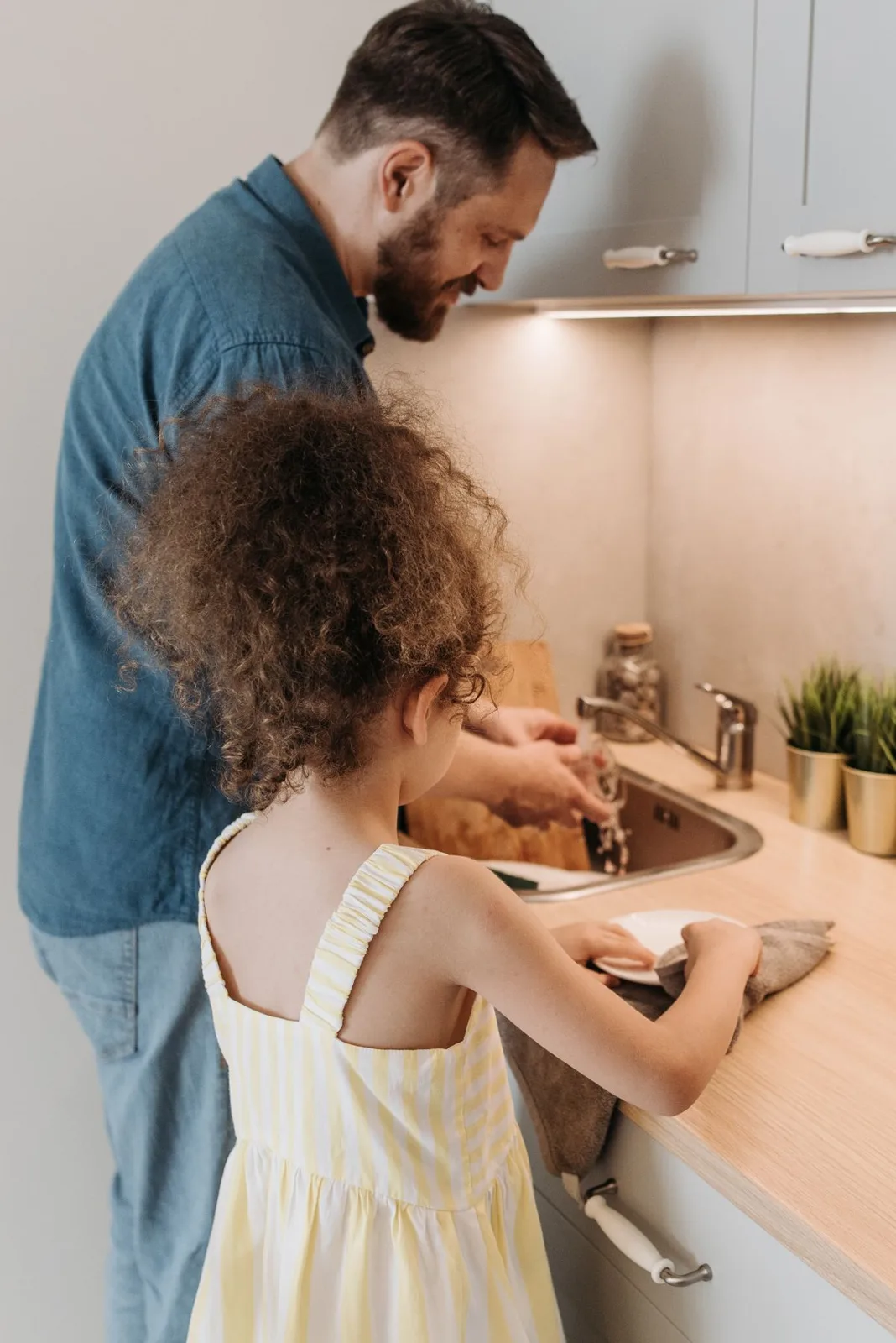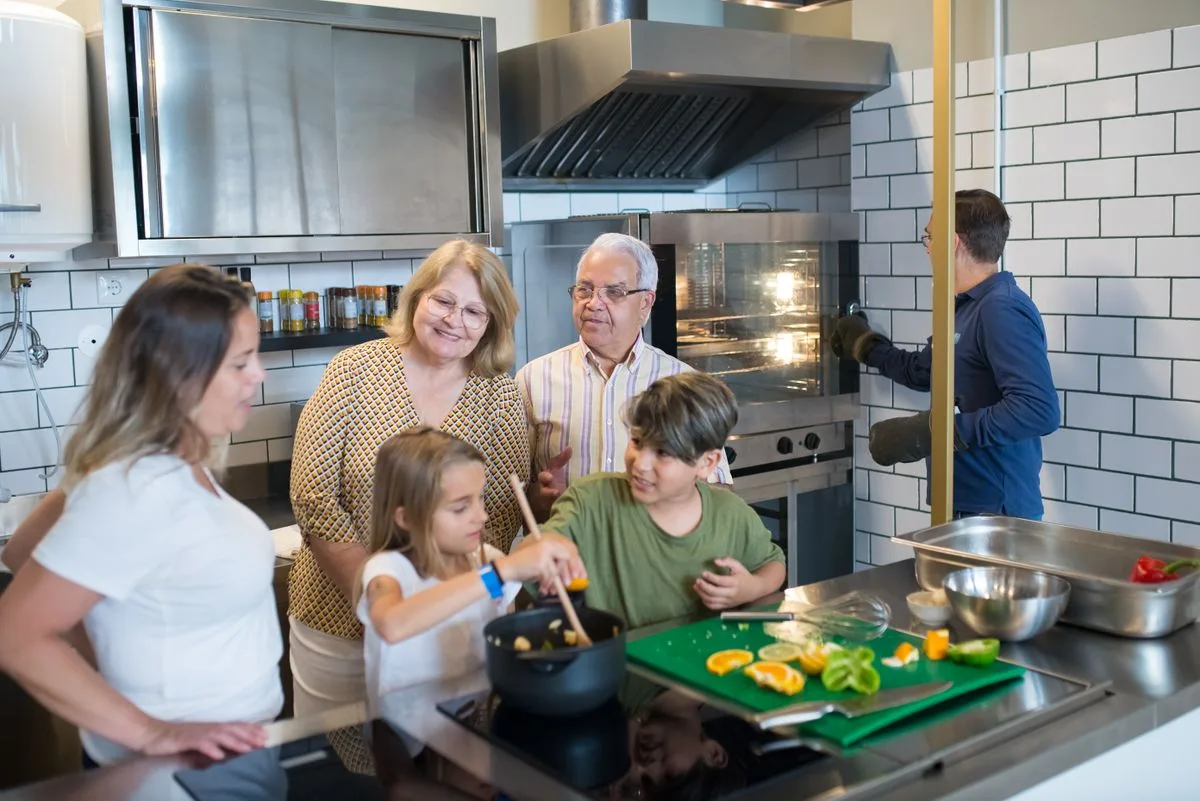
Useful help often becomes invisible once the job is done. Someone puts away the cups, finds the missing glove or waits while a younger child finishes a turn. A short thank-you can name what happened without turning family life into a competition.
Choose an ordinary moment, such as clearing the table, for an occasional round of appreciation. It should feel like a brief conversation, not a requirement to produce something impressive every day.
Begin with a real, specific action
An adult can start: “Thank you for bringing the library books to the door. I could find them when we left.” This connects the action to its practical effect.
Avoid broad labels such as “You are the good helper”. They can make a small contribution sound like a permanent role somebody must maintain. Describe what the person actually did instead.
Include help that does not leave a visible object behind. Making space at the table or explaining the game again can matter just as much as carrying something heavy.
Let children join without putting them on the spot
Invite a contribution, but allow a pass. A younger child may point to the person who helped them or repeat a simple phrase an adult offers.
Older children can name something they noticed during the day. They do not need to thank the same person who thanked them, and adults should not organise the conversation into equal exchanges.
If a child cannot think of an example, move on. Searching the whole day for a suitable answer can make the ritual feel like a test of gratitude rather than an opportunity to notice somebody.
Keep the moment short enough that it can end naturally. One genuine example is sufficient.
Include adult help without making children responsible for it
Adults can thank one another for specific jobs, such as sorting a school message or washing a club kit. This makes shared work visible without giving children a catalogue of adult sacrifices.
Do not use the ritual to imply that children owe a debt for being cared for. Meals, supervision and affection should not become a score they must repay.
Similarly, avoid disguising a request as thanks: “Thank you in advance for finally tidying your room” belongs in a separate conversation about the task.
If something still needs doing, name it directly later. Appreciation works best when it describes an action that already happened.
Keep the habit flexible and believable
Some evenings will be rushed or quiet. Missing a round does not require catching up with a longer one. A spontaneous thank-you in the hallway can serve the same purpose.
If the conversation starts to sound repetitive, change the moment or pause it. Specificity matters more than frequency.
Notice who is regularly overlooked. A child who contributes quietly or an adult working different hours may not be present at the usual table conversation. Tell them directly when you see their help.
Finish without ranking contributions or choosing a winner. The useful habit is paying attention to one another's ordinary efforts, then saying what made a difference in clear, proportionate words.
Make it work for your family. Keep the useful bits and change the rest.